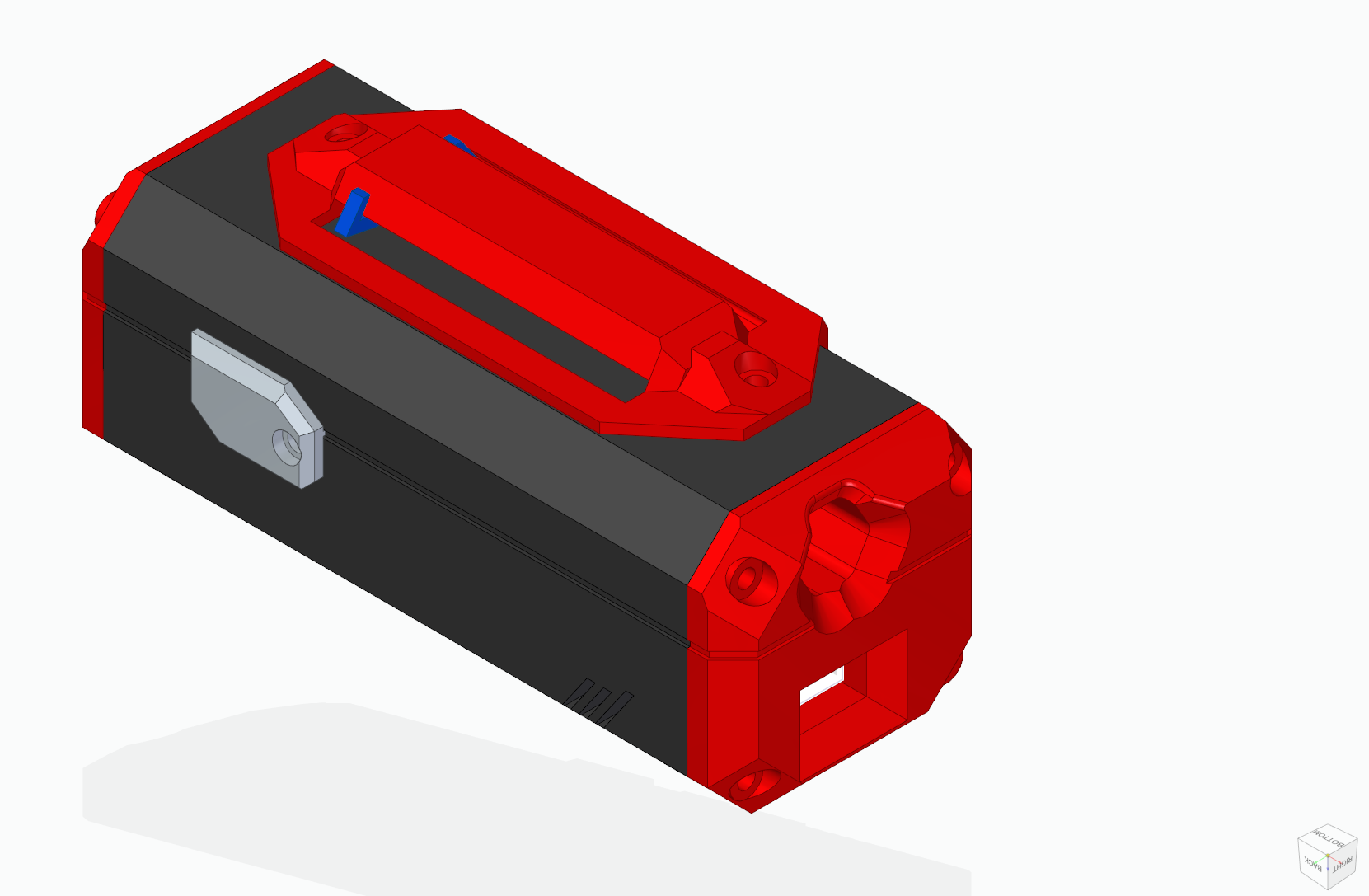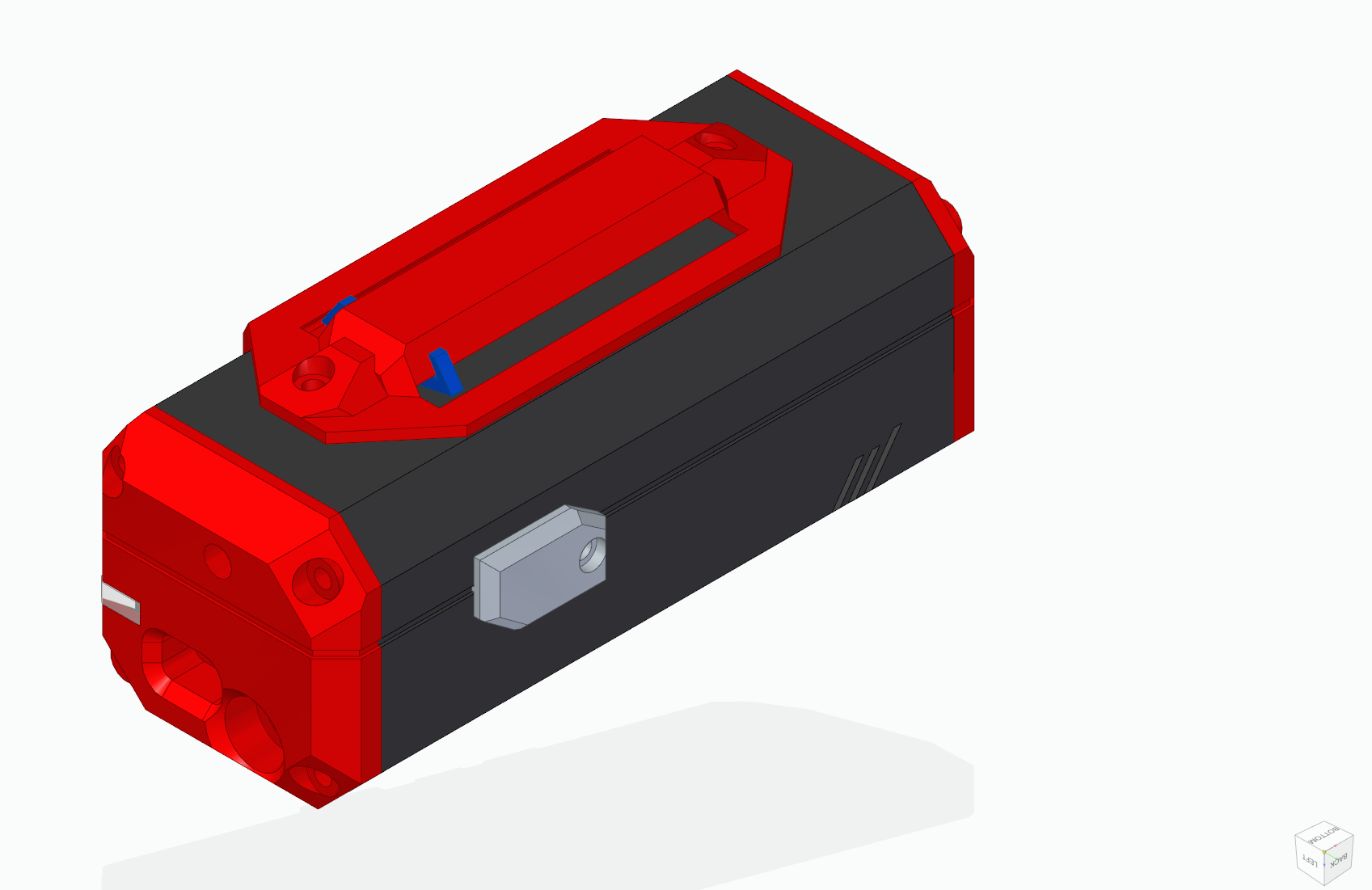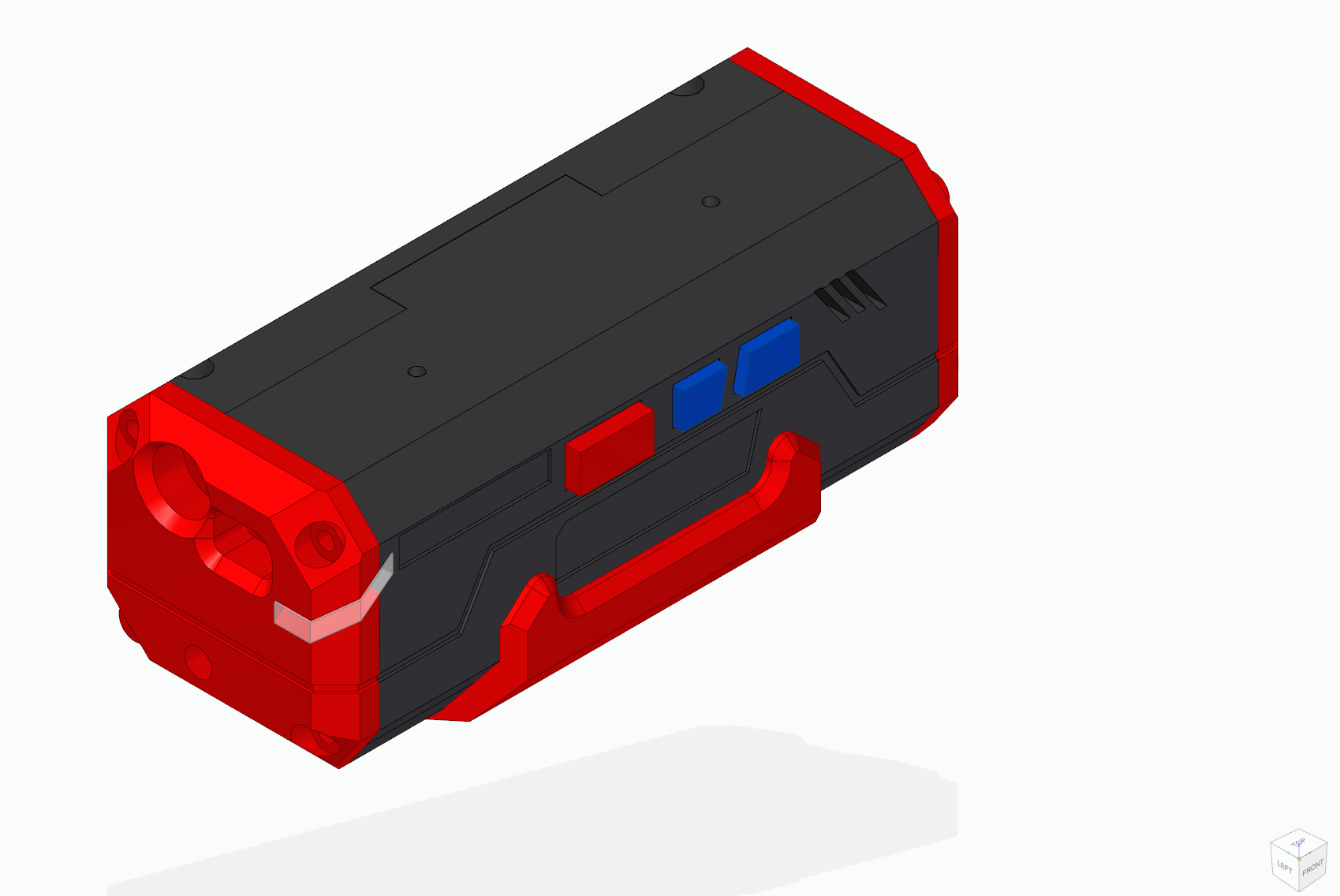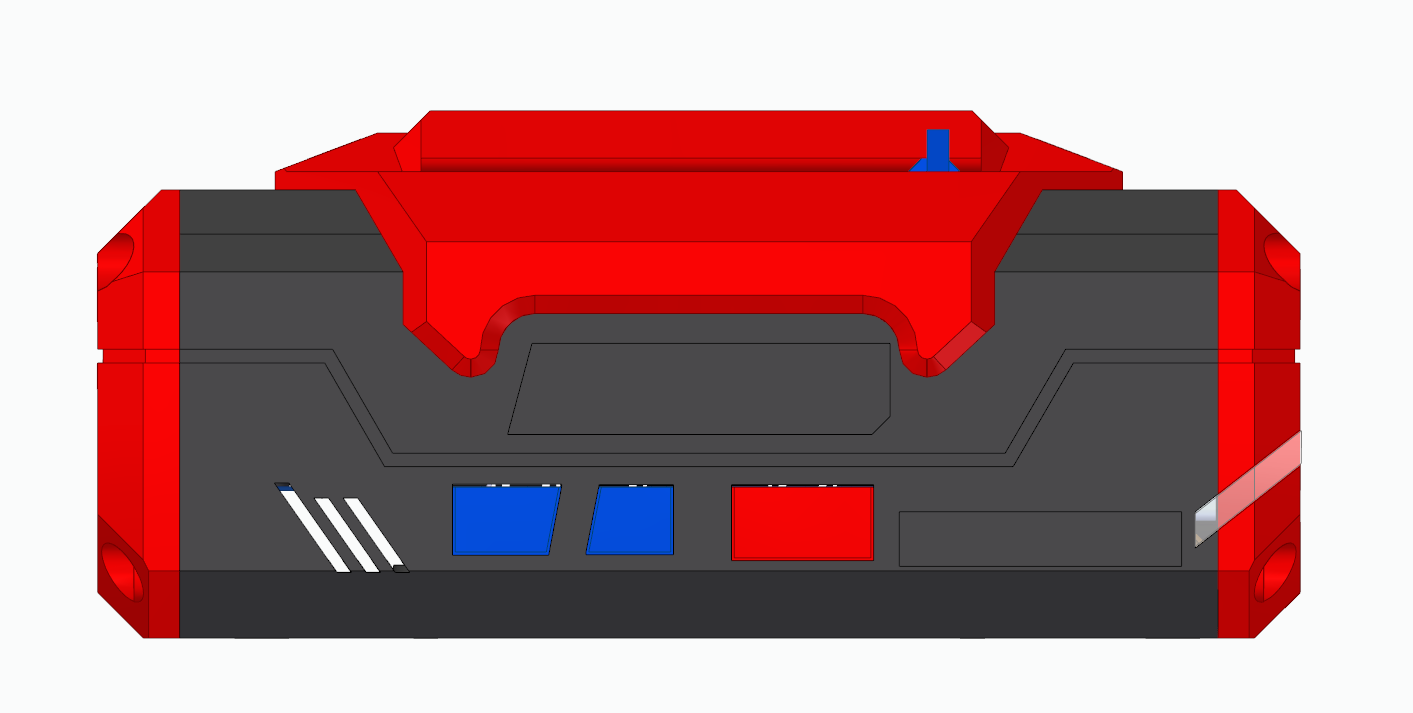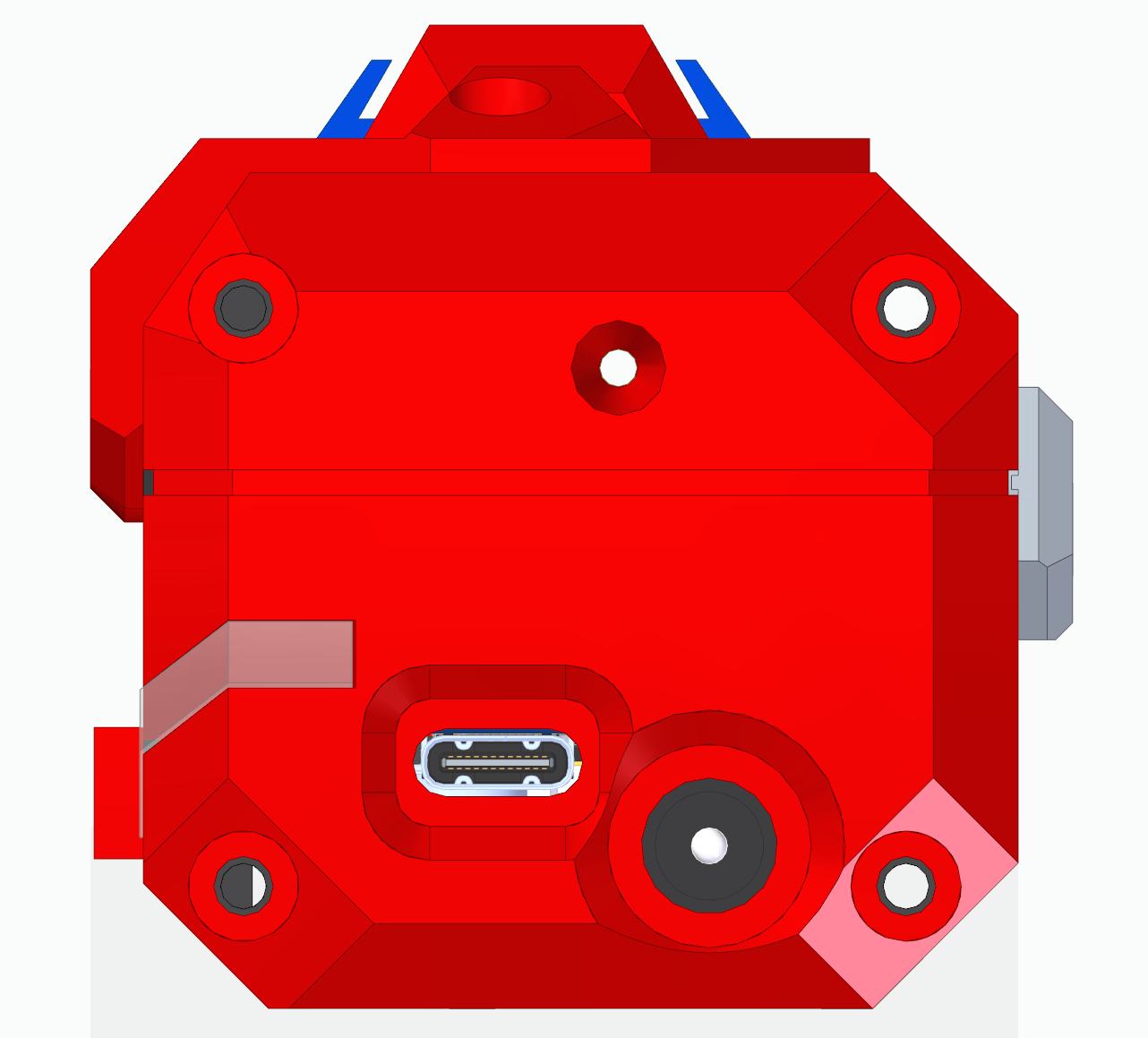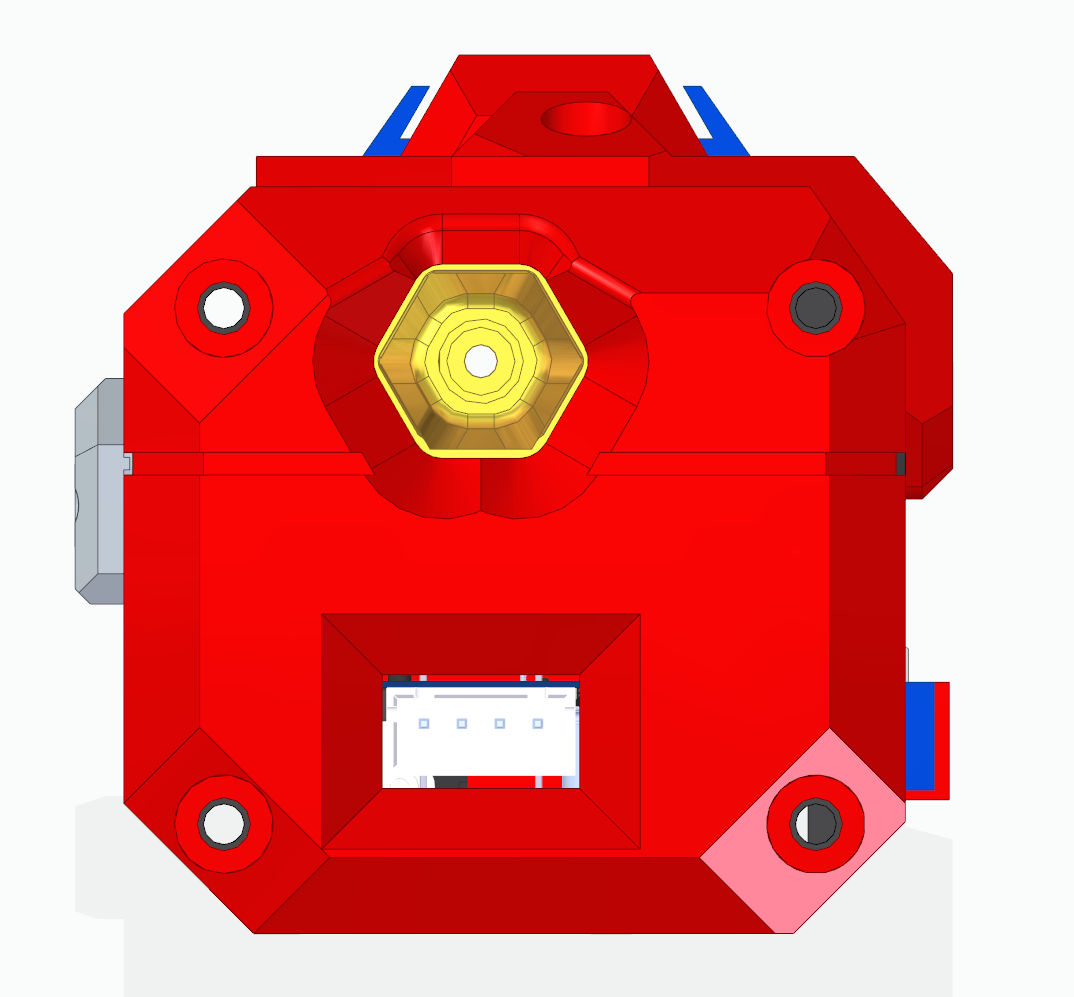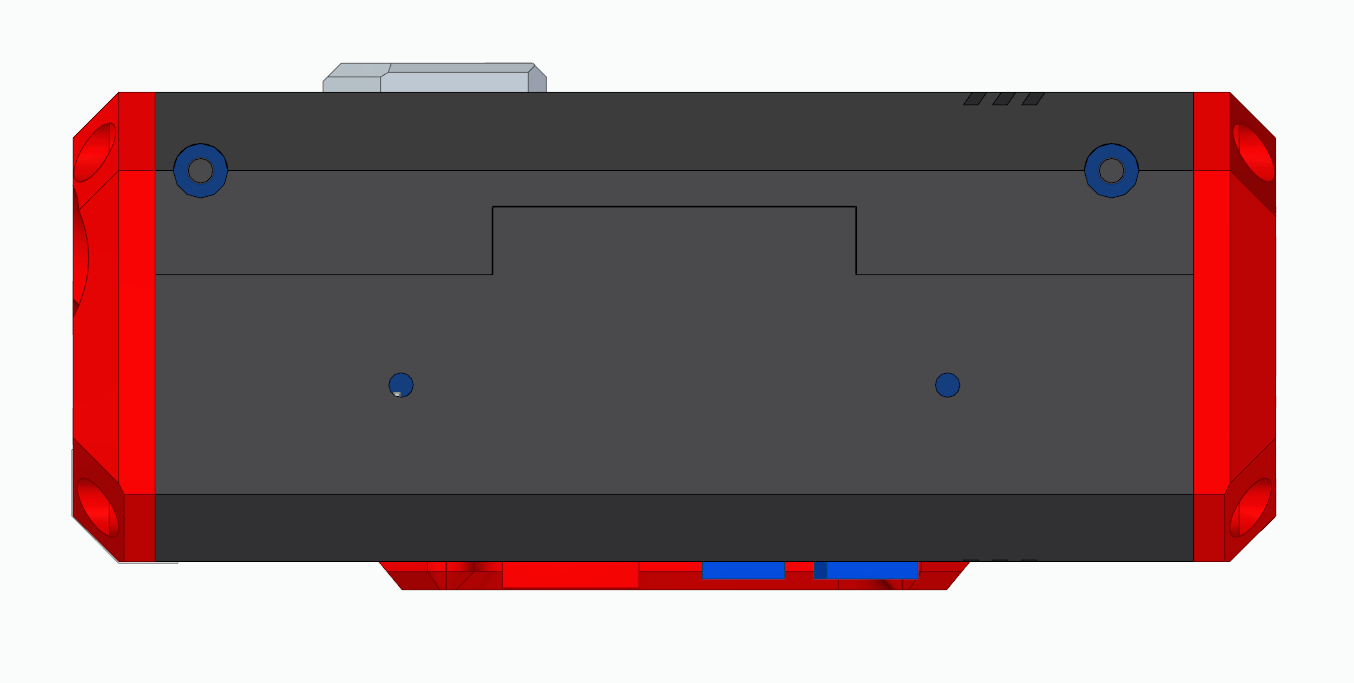
Description
IMPORTANT!! – Your support also means a lot if you help by sharing this project. Whether it is shared on YouTube, Facebook, Twitter, Instagram, Threads, or X, every single share is equally valuable and useful to me.
So here is the story: I started developing a unique filament buffer, and some of you already know about it and know how much time and energy I have invested in it so far. However, the biggest part is still ahead of me: preparing the campaign and producing prototype units for testers. Unfortunately, neither of these is cheap, so to help ease the financial burden, I am placing my trust in the strength of the community.
You may ask: what is a filament buffer, especially if you are not familiar with my hobby, 3D printing?
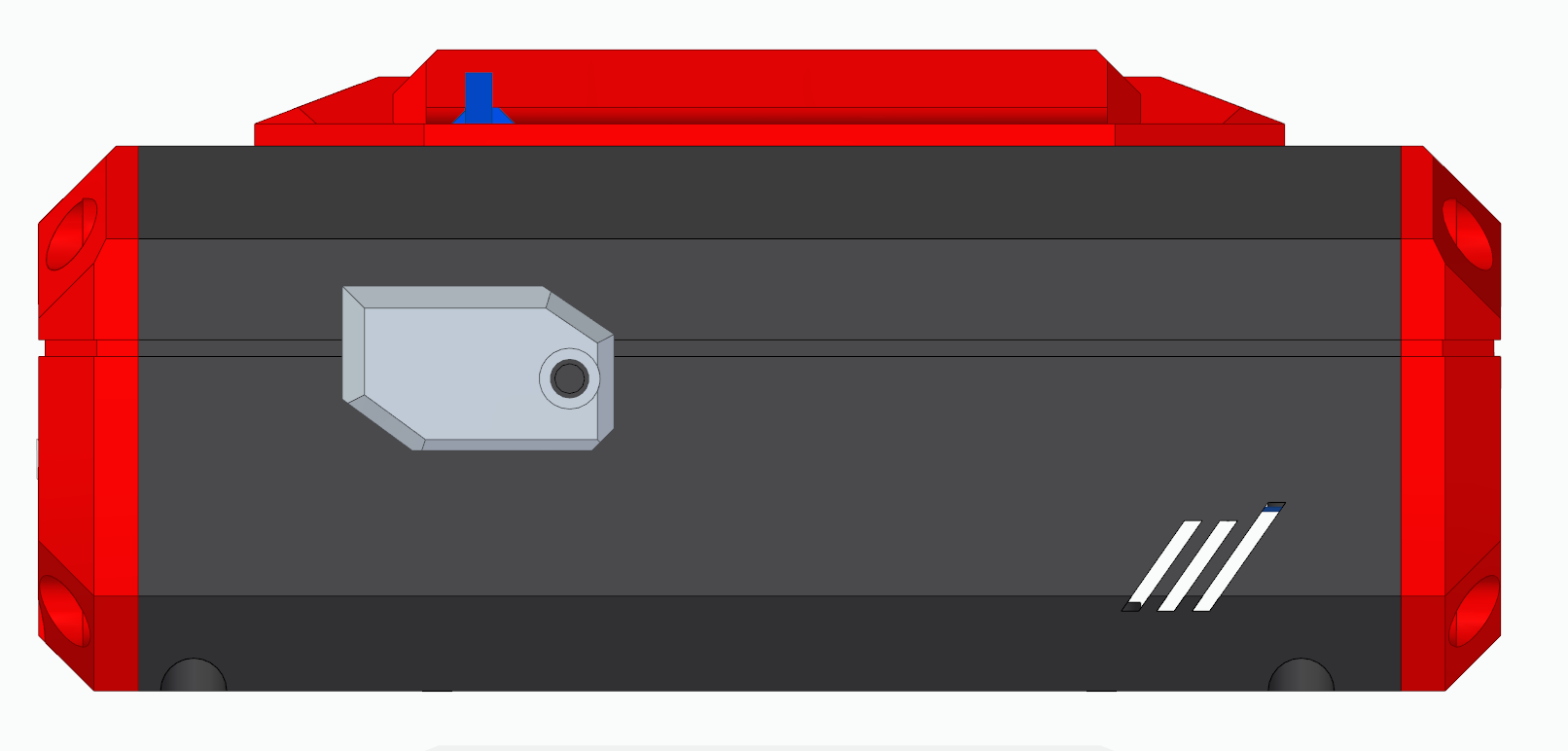
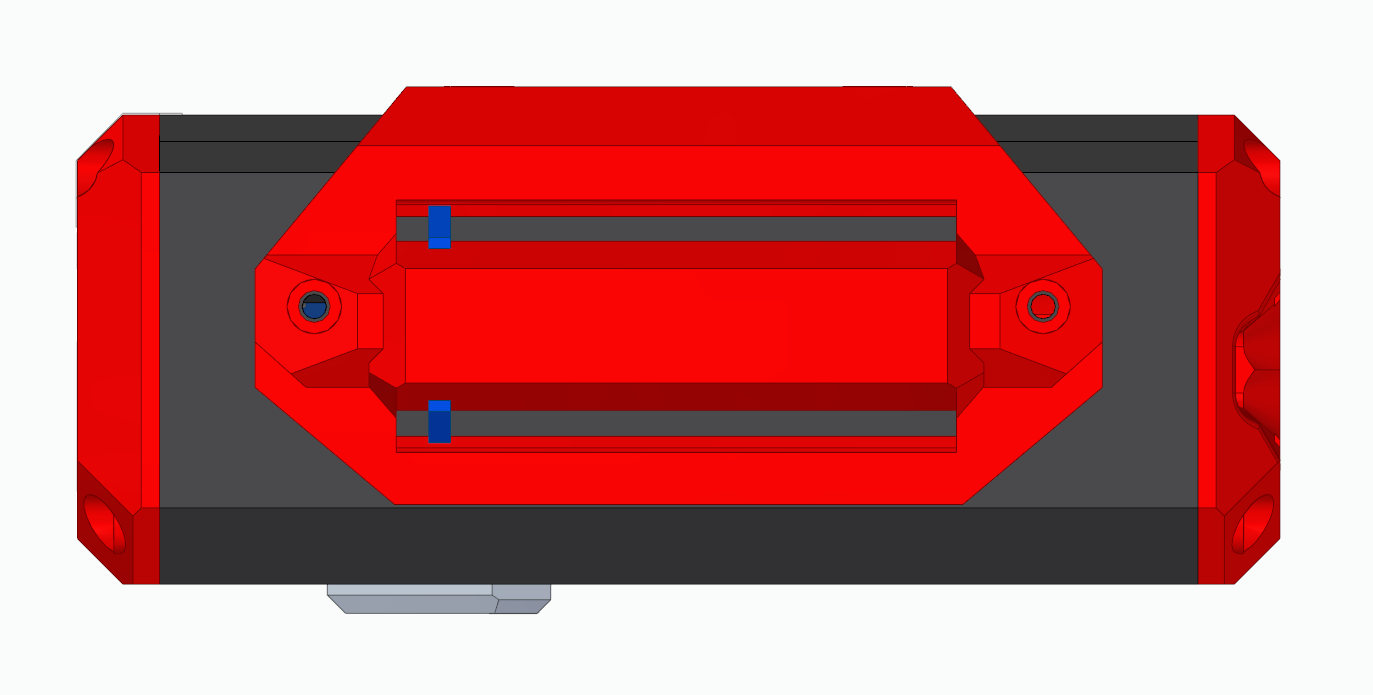
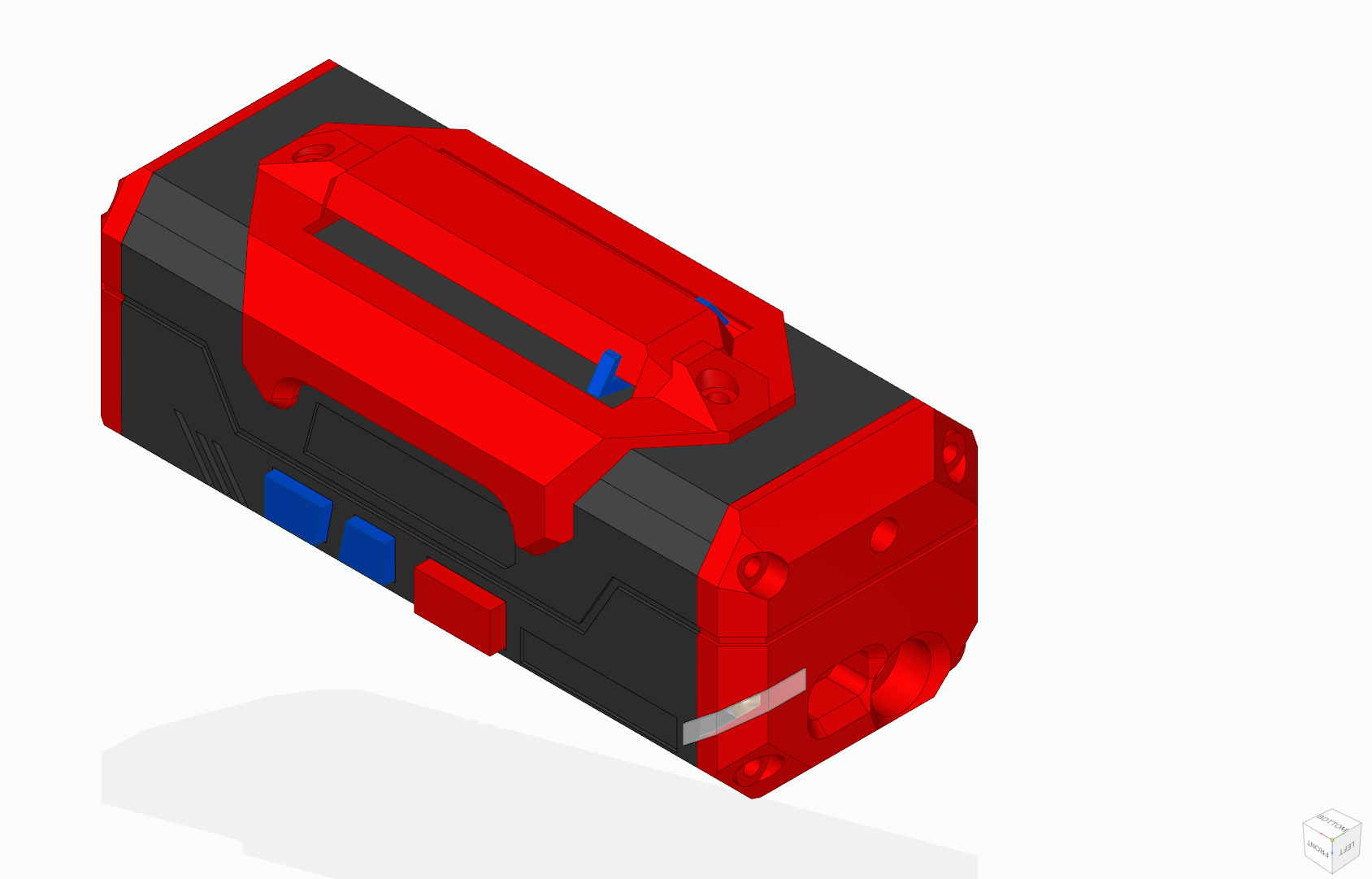
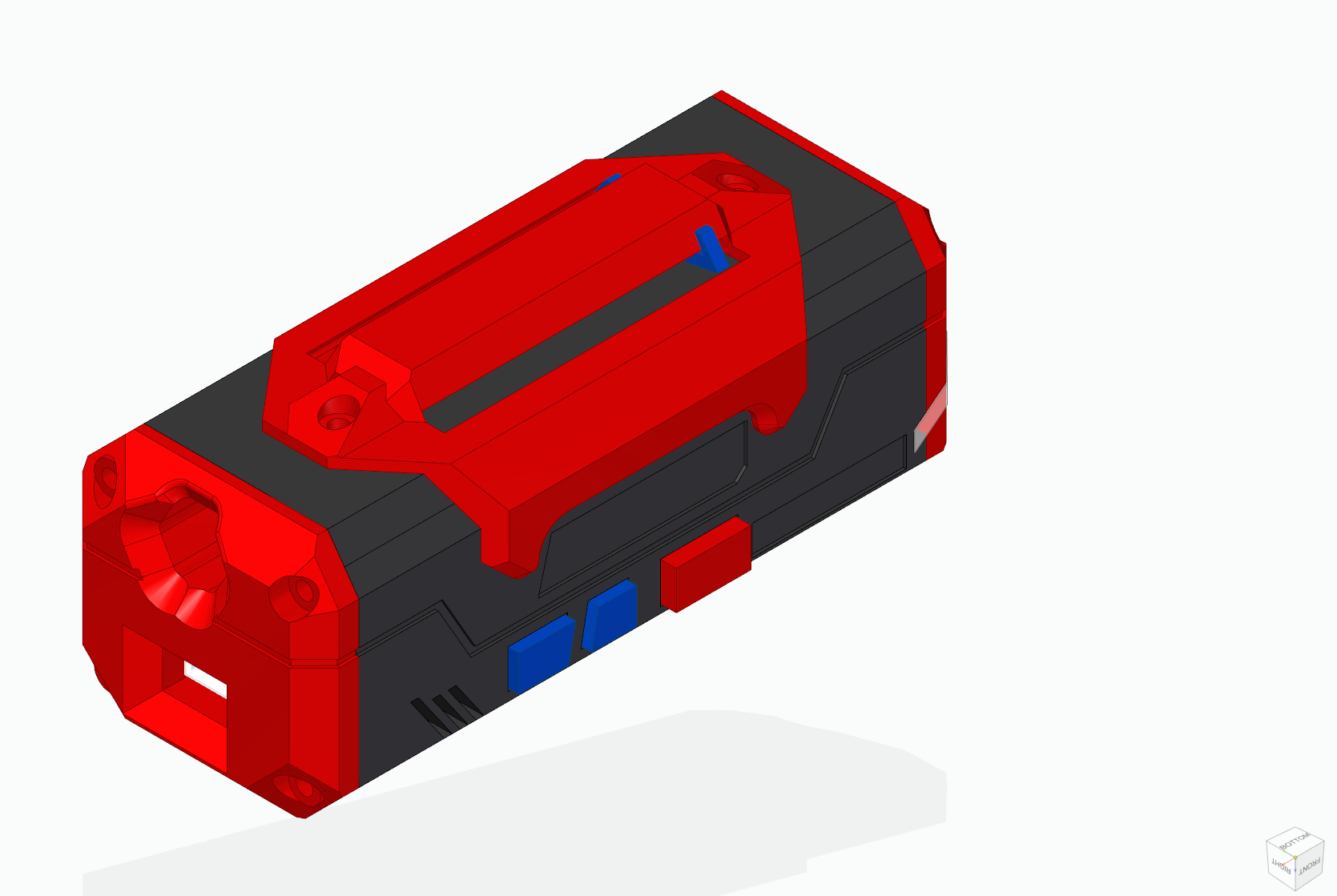
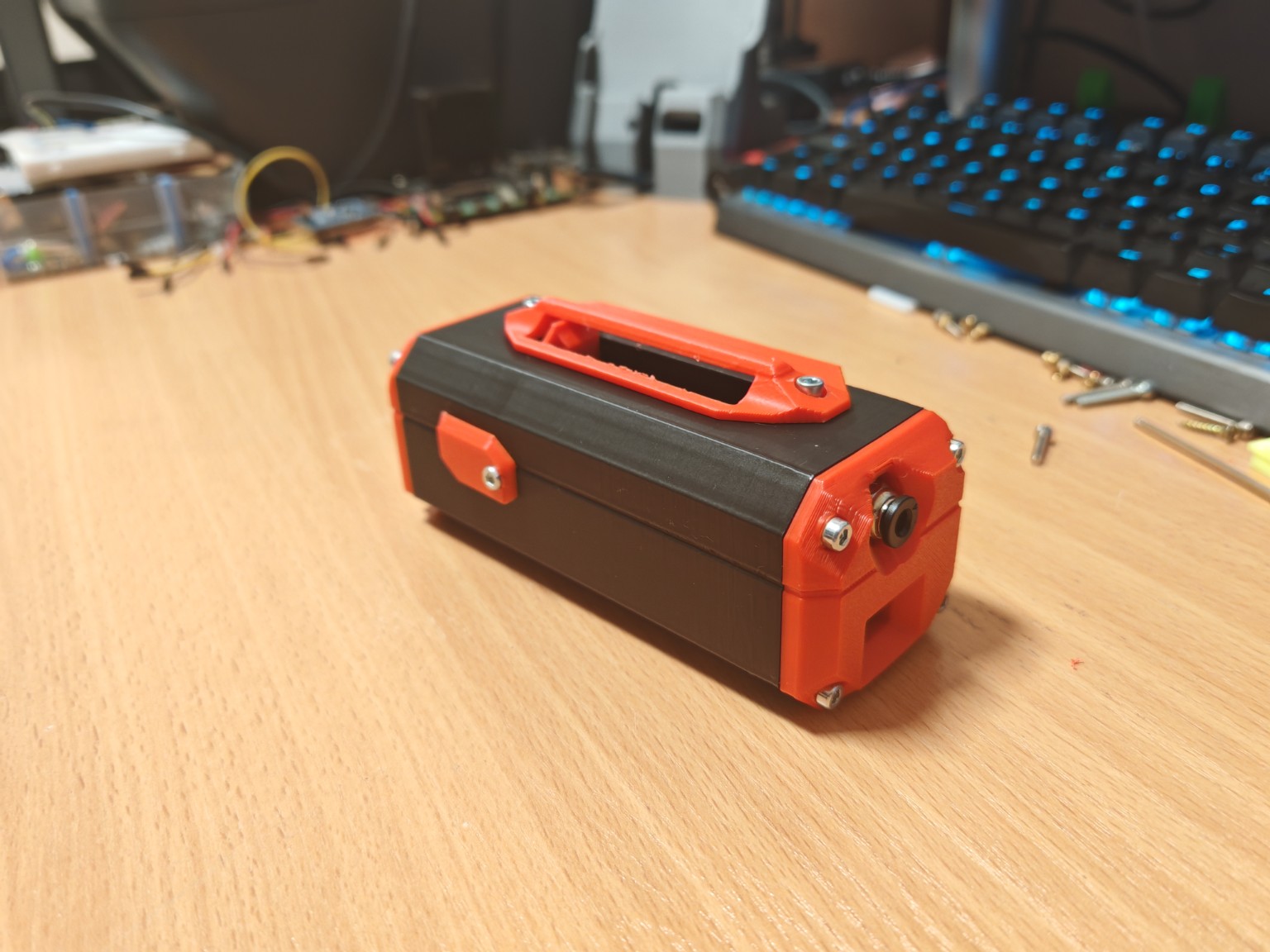
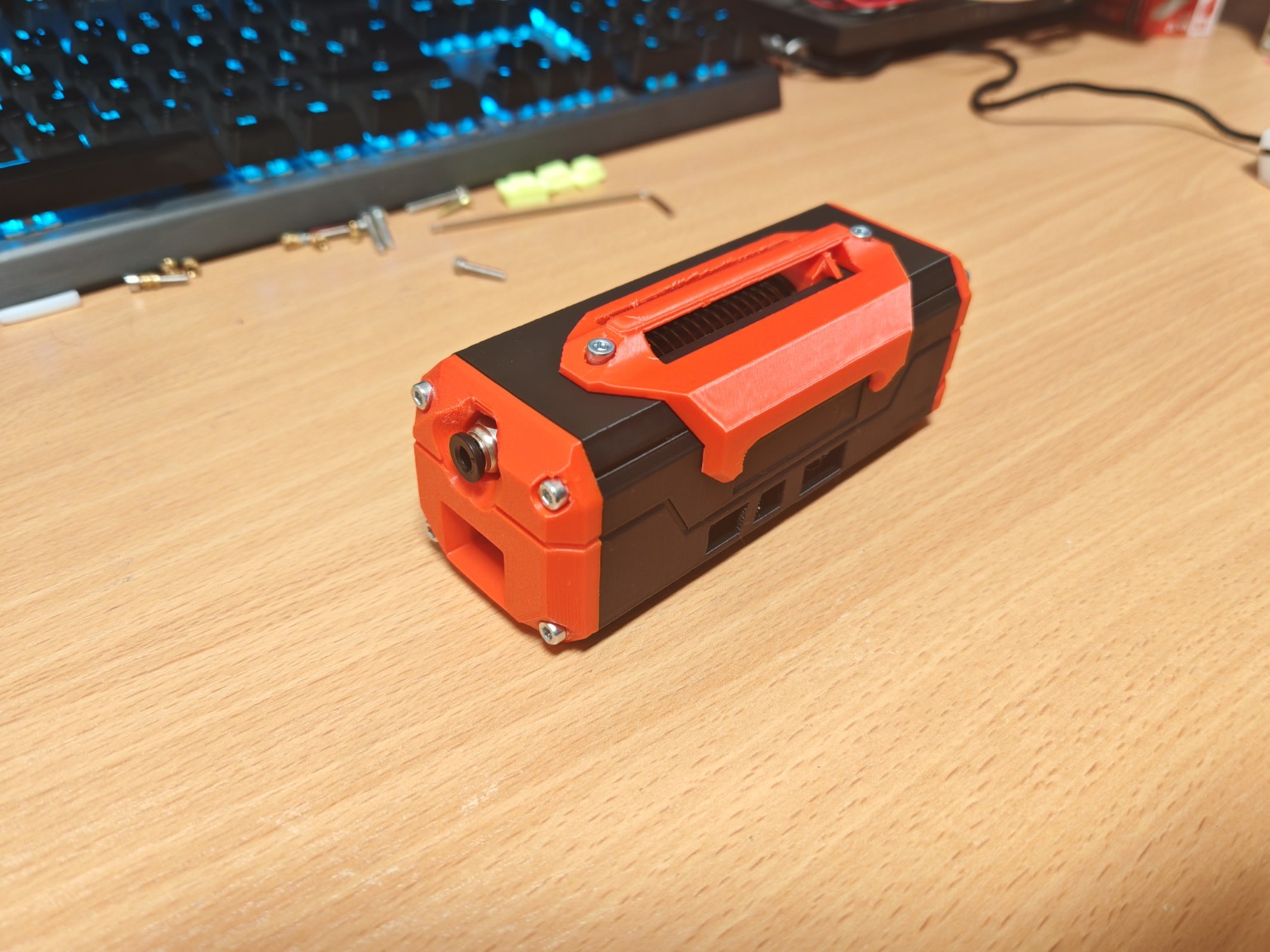
It is a device designed mainly to help larger 3D printers by removing the filament pulling load from the printer’s extruder. However, this issue can also occur on smaller machines if there is a significant distance between the printer and the material source, for example when using a filament dryer. This device stores a sufficient filament reserve close to the machine, making the work of the extruder much easier.
The filament buffer I want to bring to market is planned to include the following features:
- LOAD function, supporting up to 10 meters distance and filament spools up to 10 kg
- UNLOAD function, which remembers the filament distance loaded during the LOAD process and can unload it back toward the extruder
- Auto Refill function, capable of feeding the next spool after the current one runs out
- 50 mm buffer length
- Automatic speed adjustment based on filament consumption speed
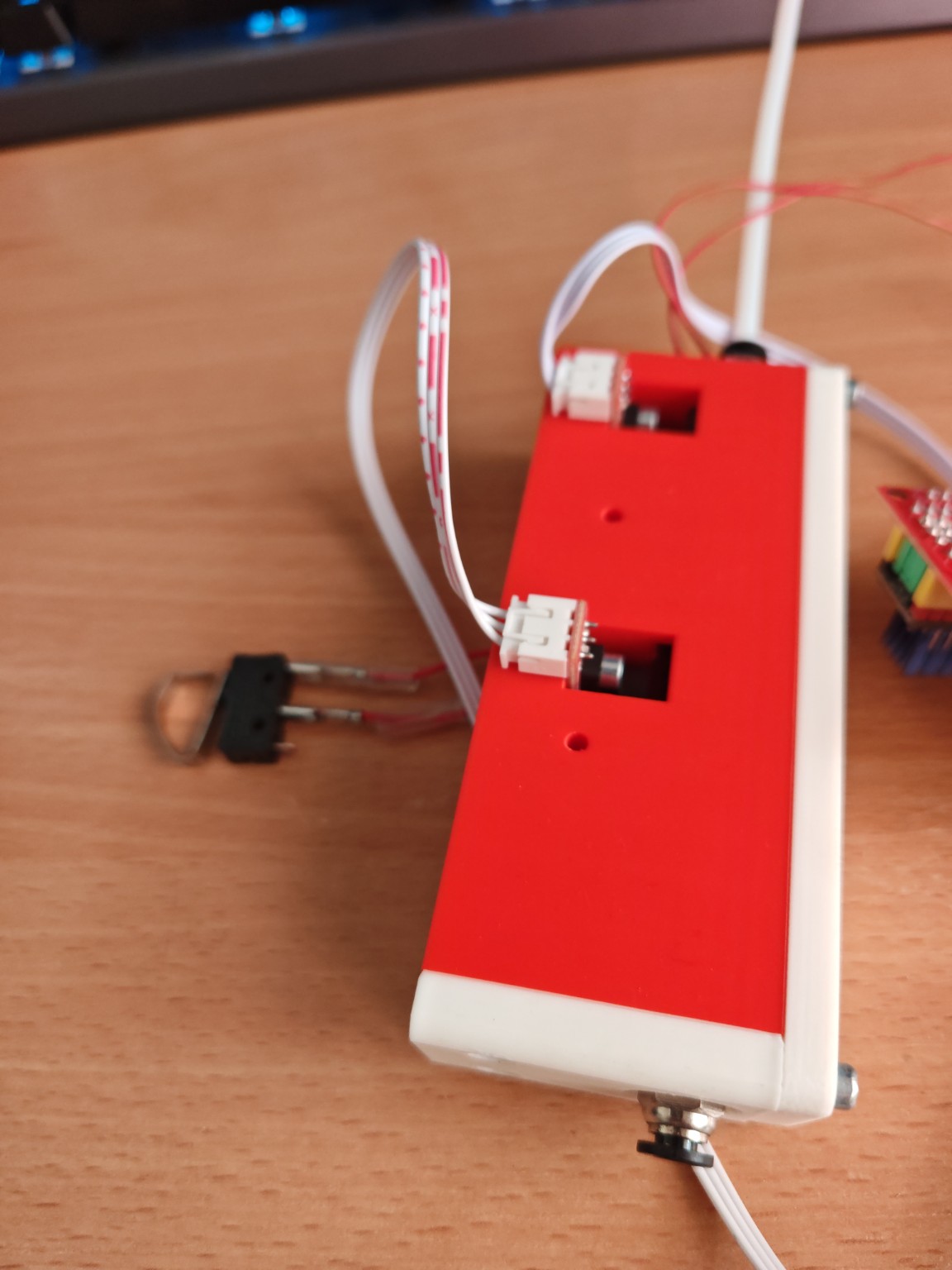
- Built-in TMC motor driver and standard 2.54 JST connector for the feeder motor
- Firmware update capability
- 12V DC operating voltage
- LED status indication
- USB Type-C monitoring connection
- Firmware-independent and printer-independent operation (compatible with Marlin, Klipper, RepRap, or virtually any other system)
- Tube-chain separation protection (if any fitting fails and the connection comes apart, the system forwards a maximum of 150 mm of filament, then stops with an emergency alert)
- Emergency output signal (Pro version)
- Simultaneous handling of up to 8 filament spools, whether feeding a single output, 8 separate printers, or any combination of these
These features are expanding day by day. But for this to move forward, I need your help as well.
That is why I created this campaign, where you can support this development. Some of you know me personally and know that I have helped many people in different ways before. Now, in this form, I am asking for your support to help bring a truly useful solution to life.
Thank you if you support me, whether directly through the page or simply with a share.
And so that I am not the only one receiving something, I also want to give back: supporters are automatically included in a coupon-based reward system, which means that if you need the product later, you will be able to purchase it at a discounted price.
RFF purchase area prepared
The Buy area is prepared, but cart, stock management, delivery and online payment are not active yet.
Video Gallery
Support development – unlock supporter rewards
Every contribution matters. Even smaller support levels receive supporter recognition, while higher tiers unlock a coupon redeemable on the first RFF product.
Did you support us on 4fund?
If you supported RFF development on 4fund, you can claim your supporter discount here. After verification, we will send your coupon code, which can be used on your first product order.
-
1
Send these details by email 4fund name, contribution amount, contribution date, email address, and order email if different.
-
2
Attach proof A confirmation email or screenshot helps us verify your support clearly.
-
3
We send your coupon code After approval, you will receive your unique code.
Claim your discount by email
If you use Gmail, choose the Gmail button for the most reliable experience. For other mail apps, use the default email application button.
The email template is pre-filled. You only need to add your details and attach the confirmation.
The coupon can be used on the first RFF product.
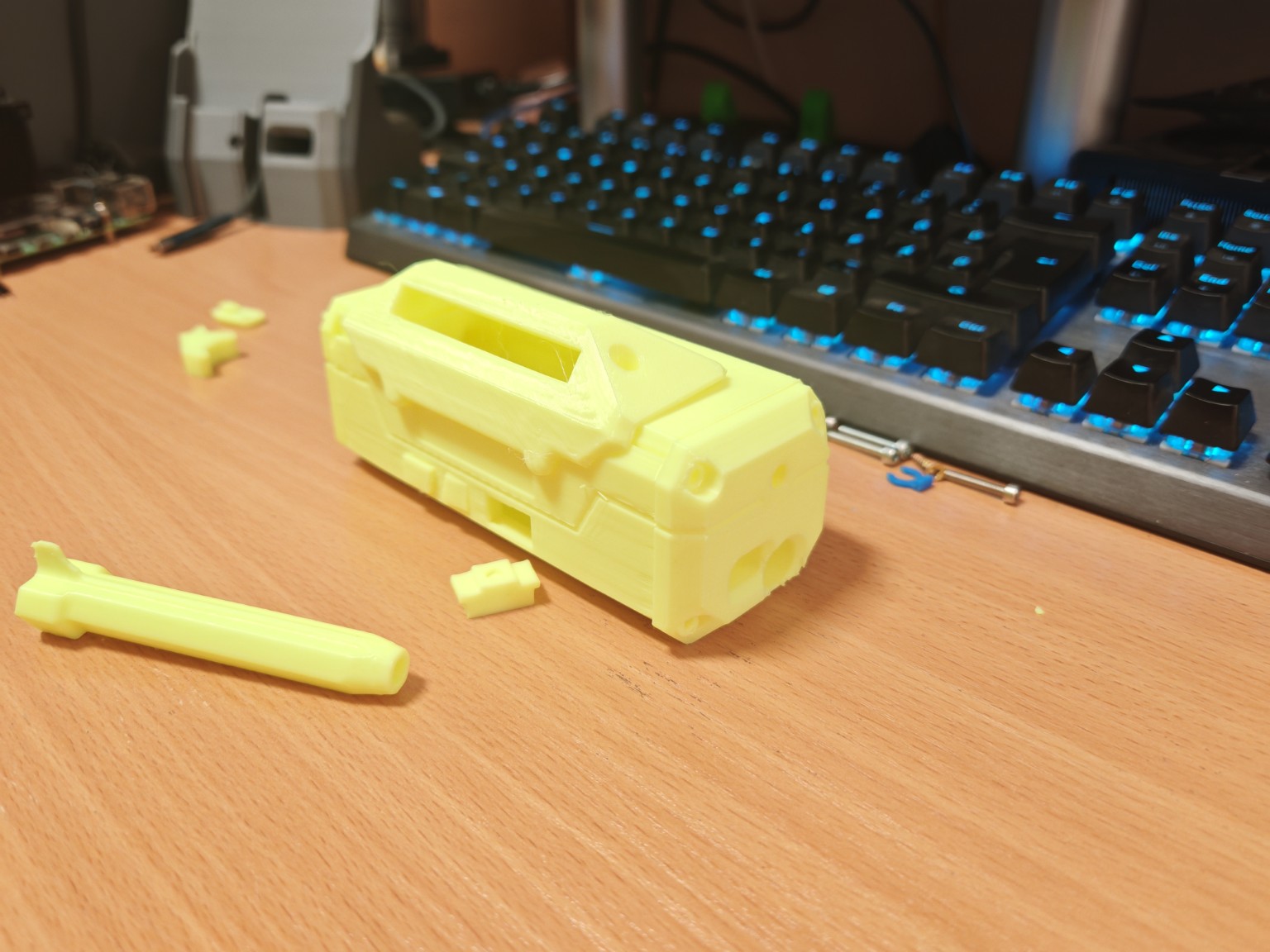
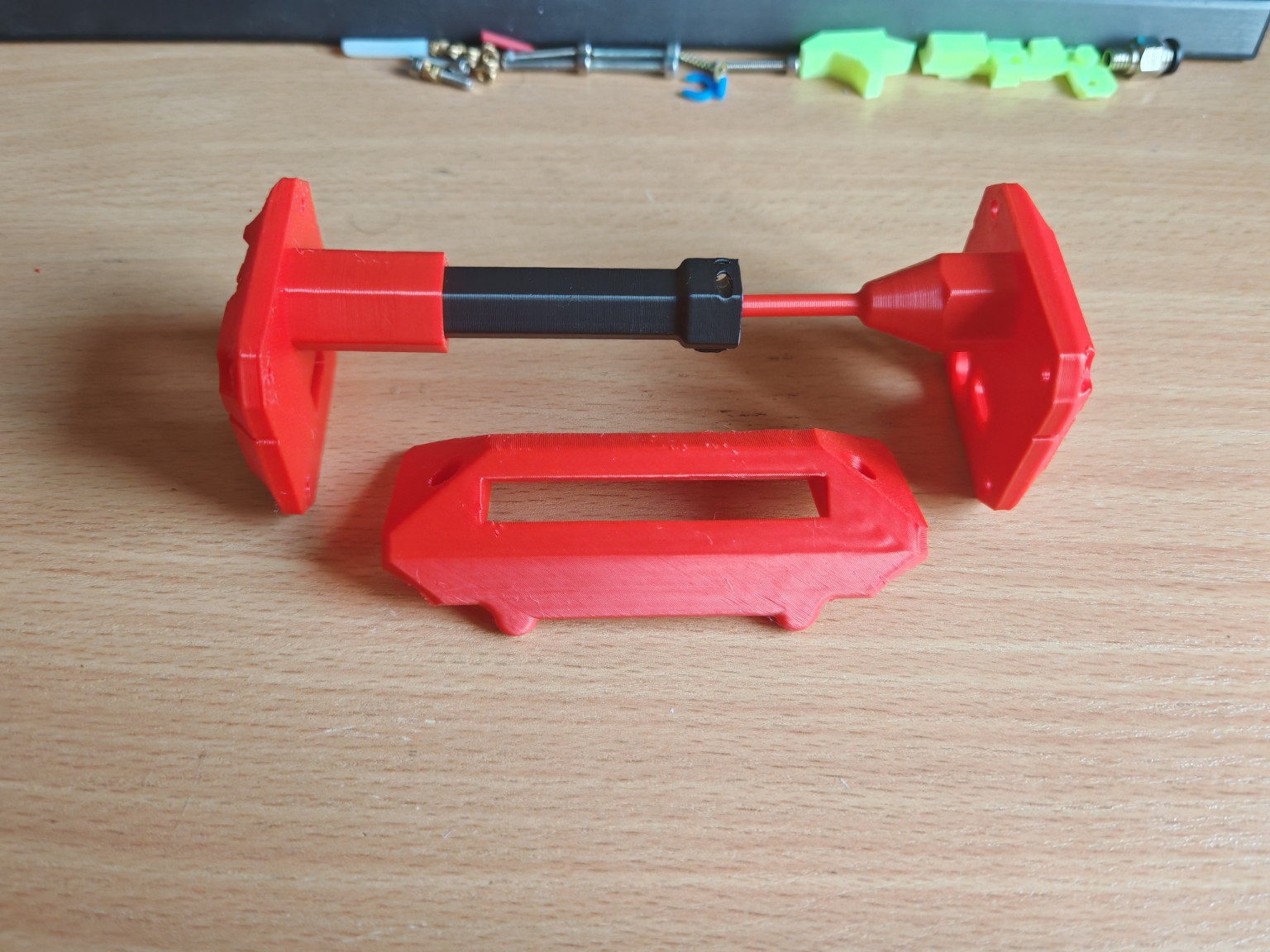
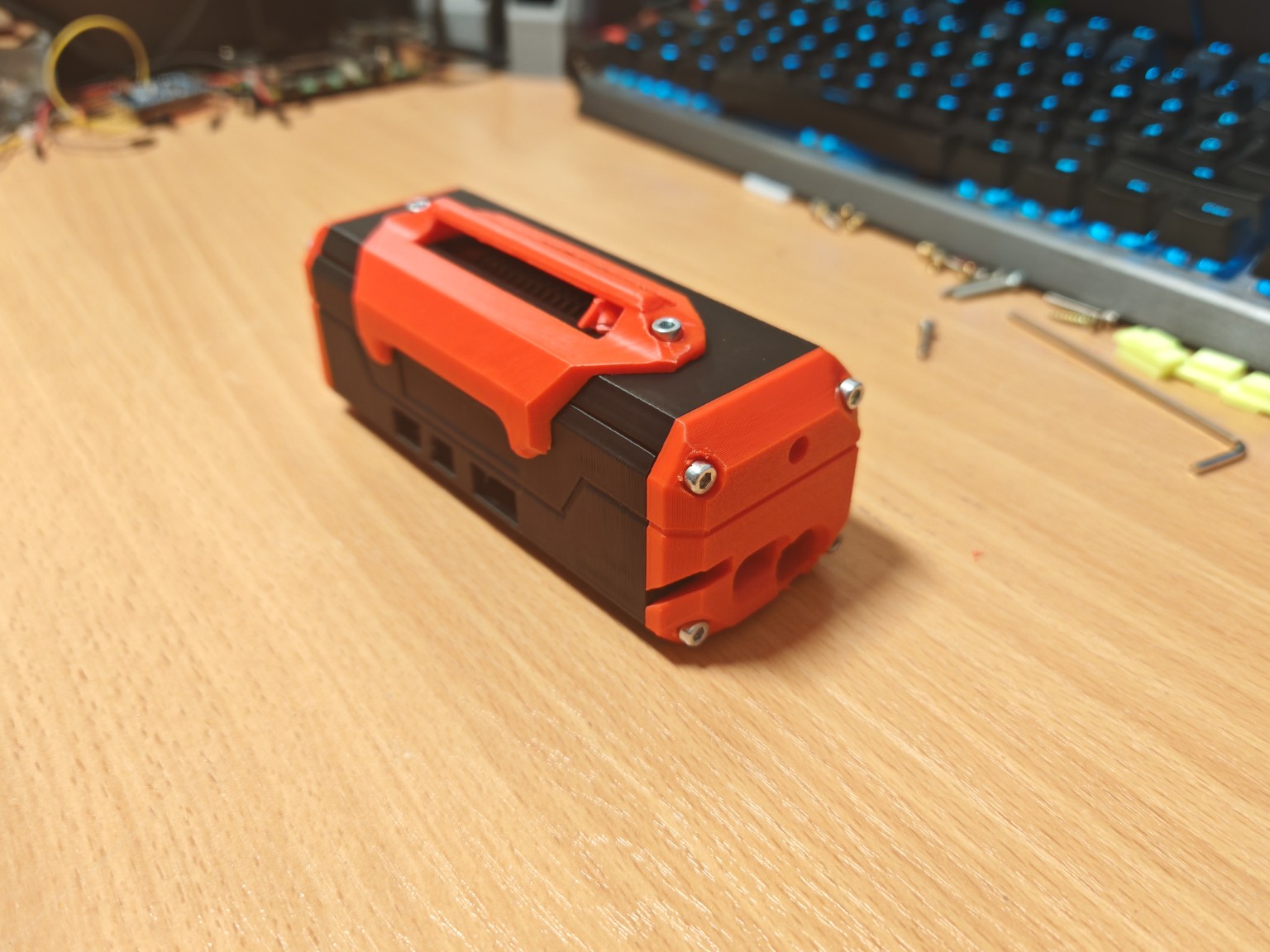
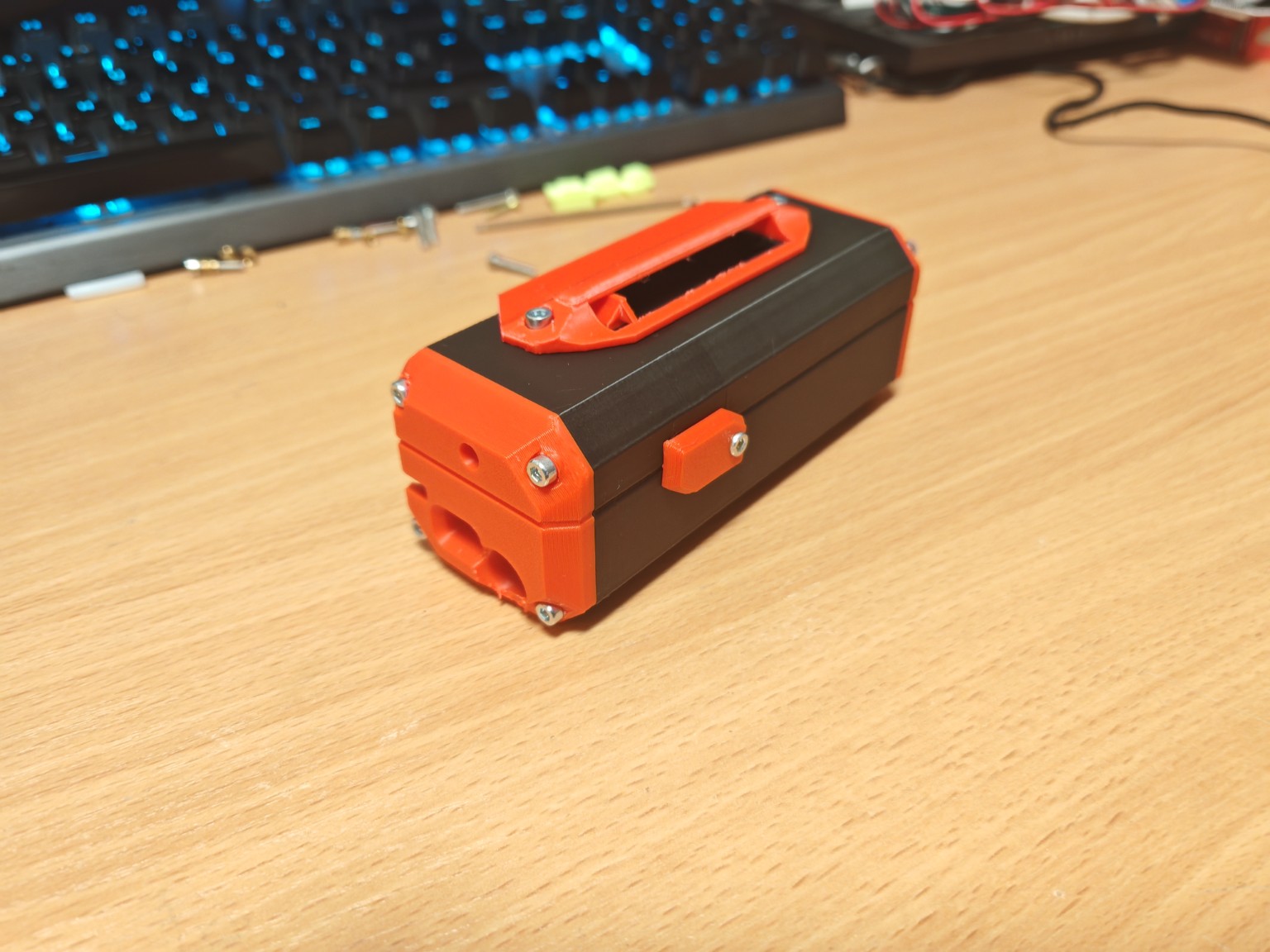
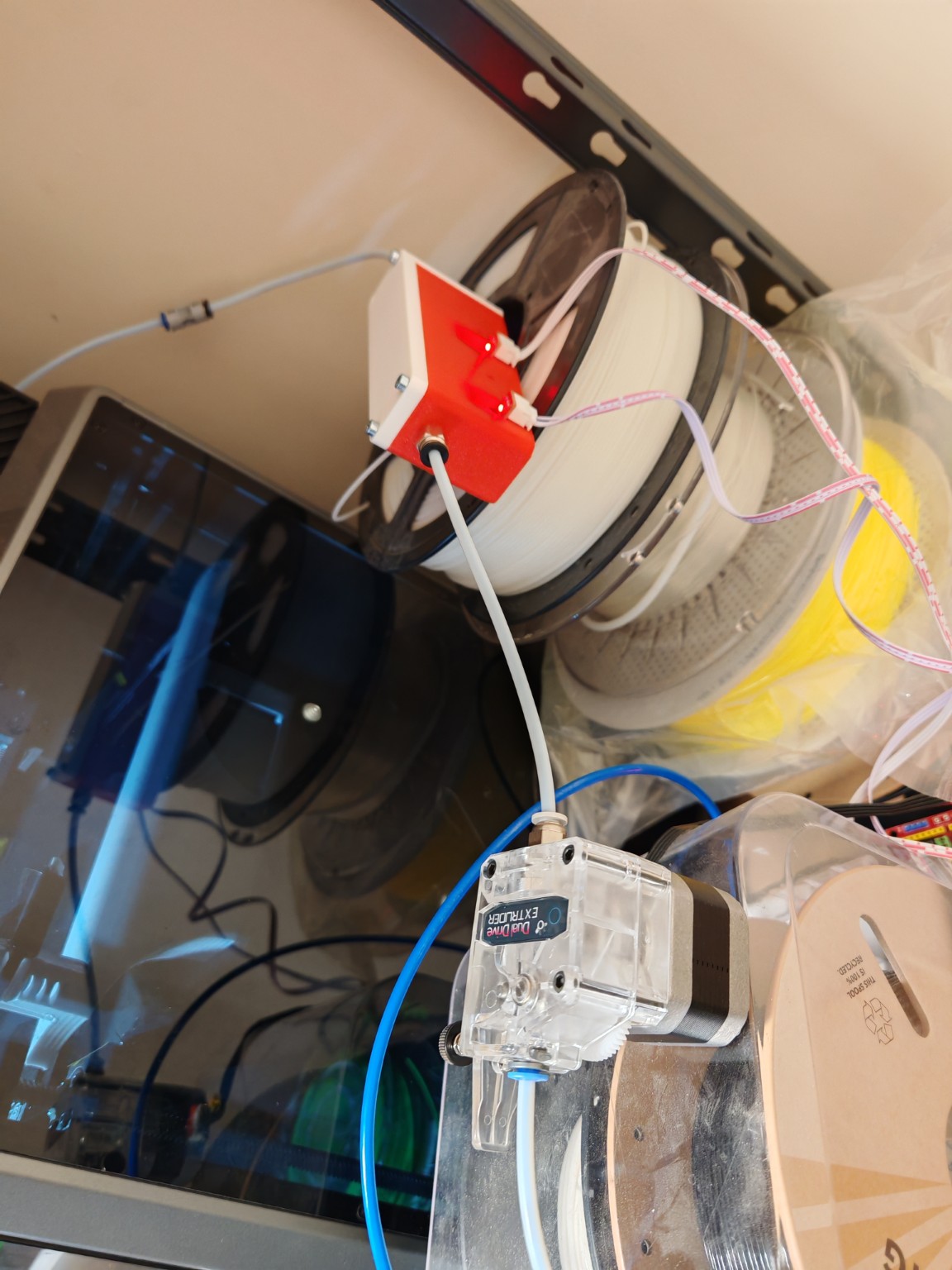
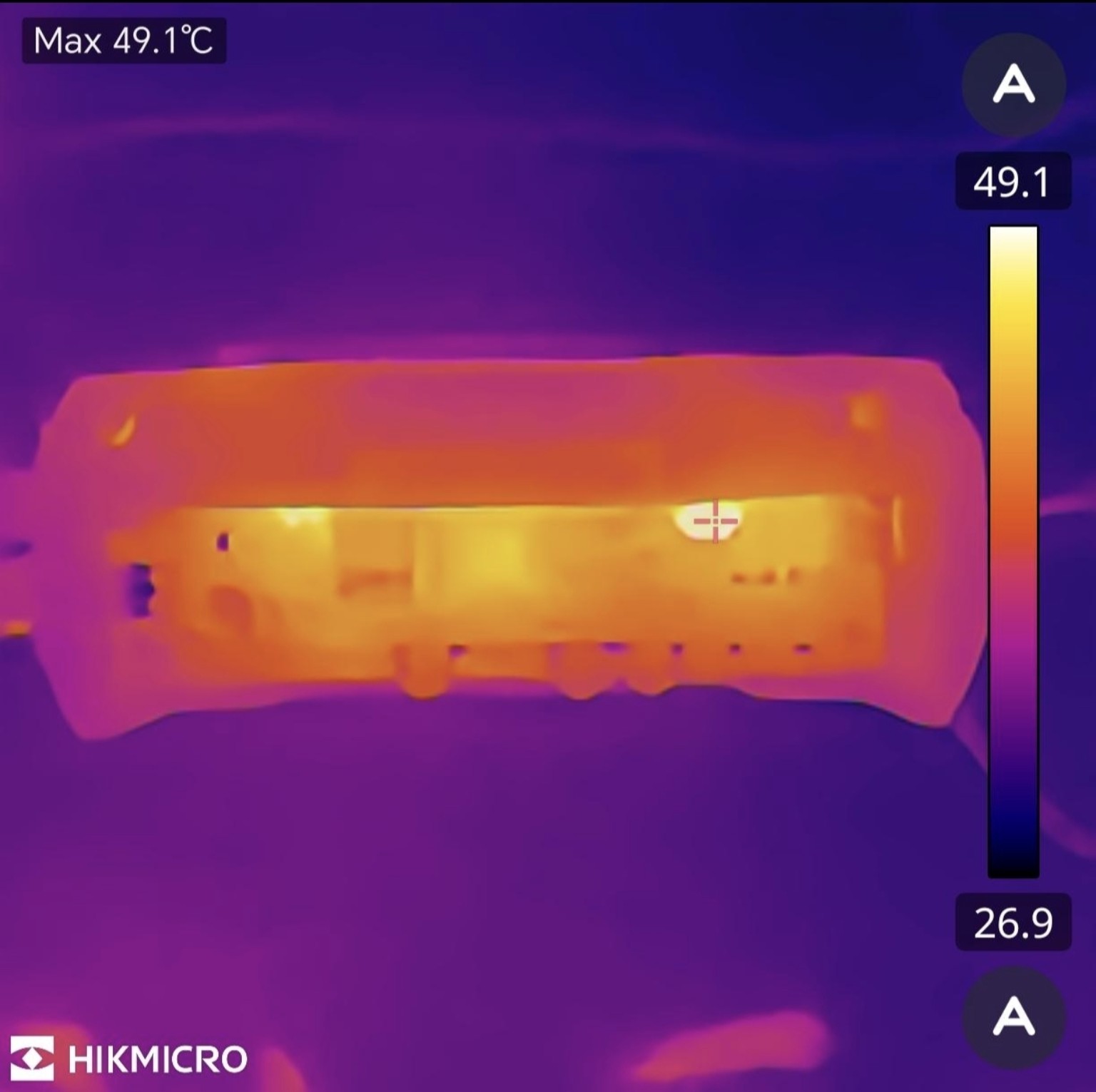
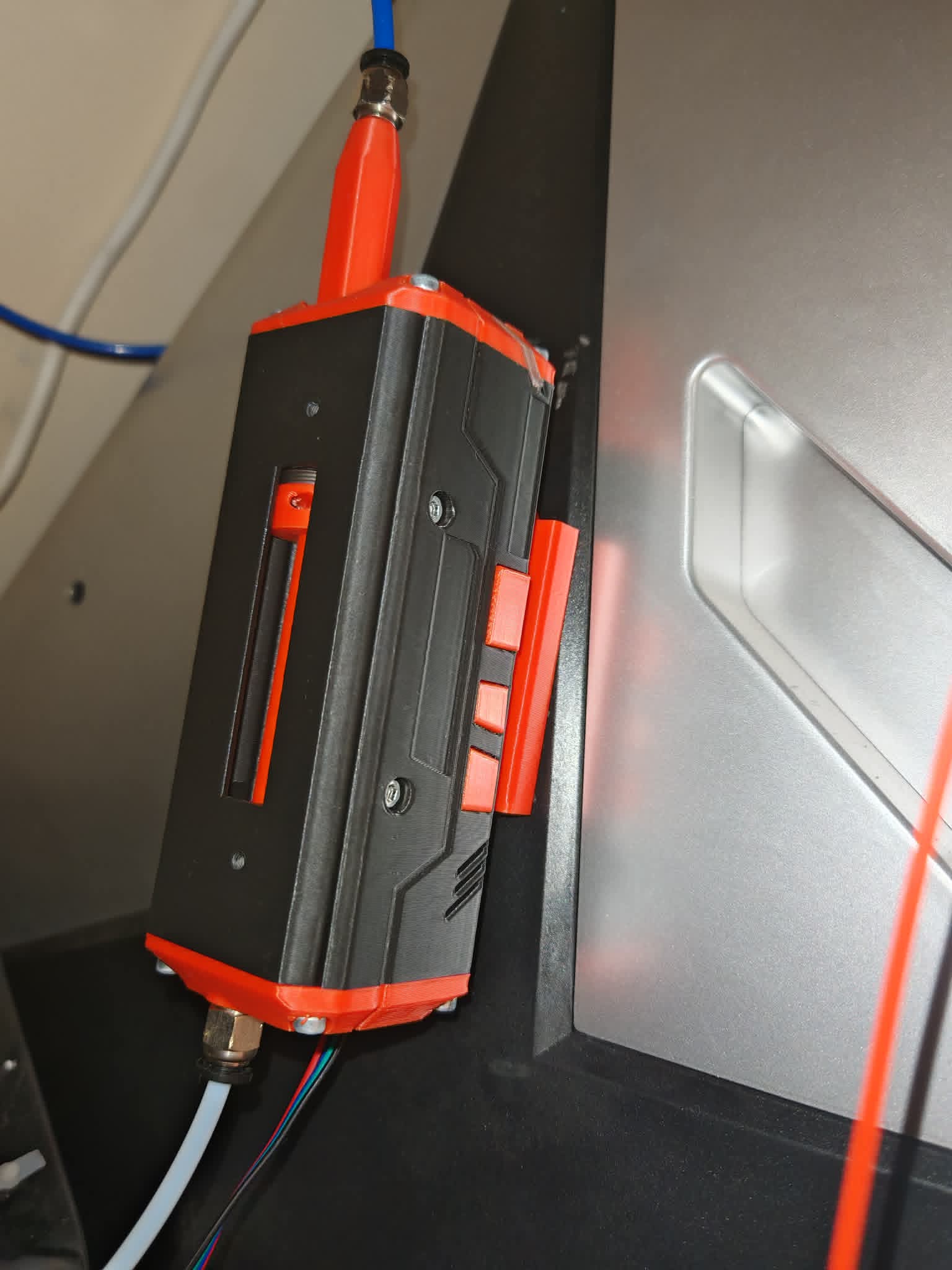
Not just a concept — the system is already working on a real filament path.
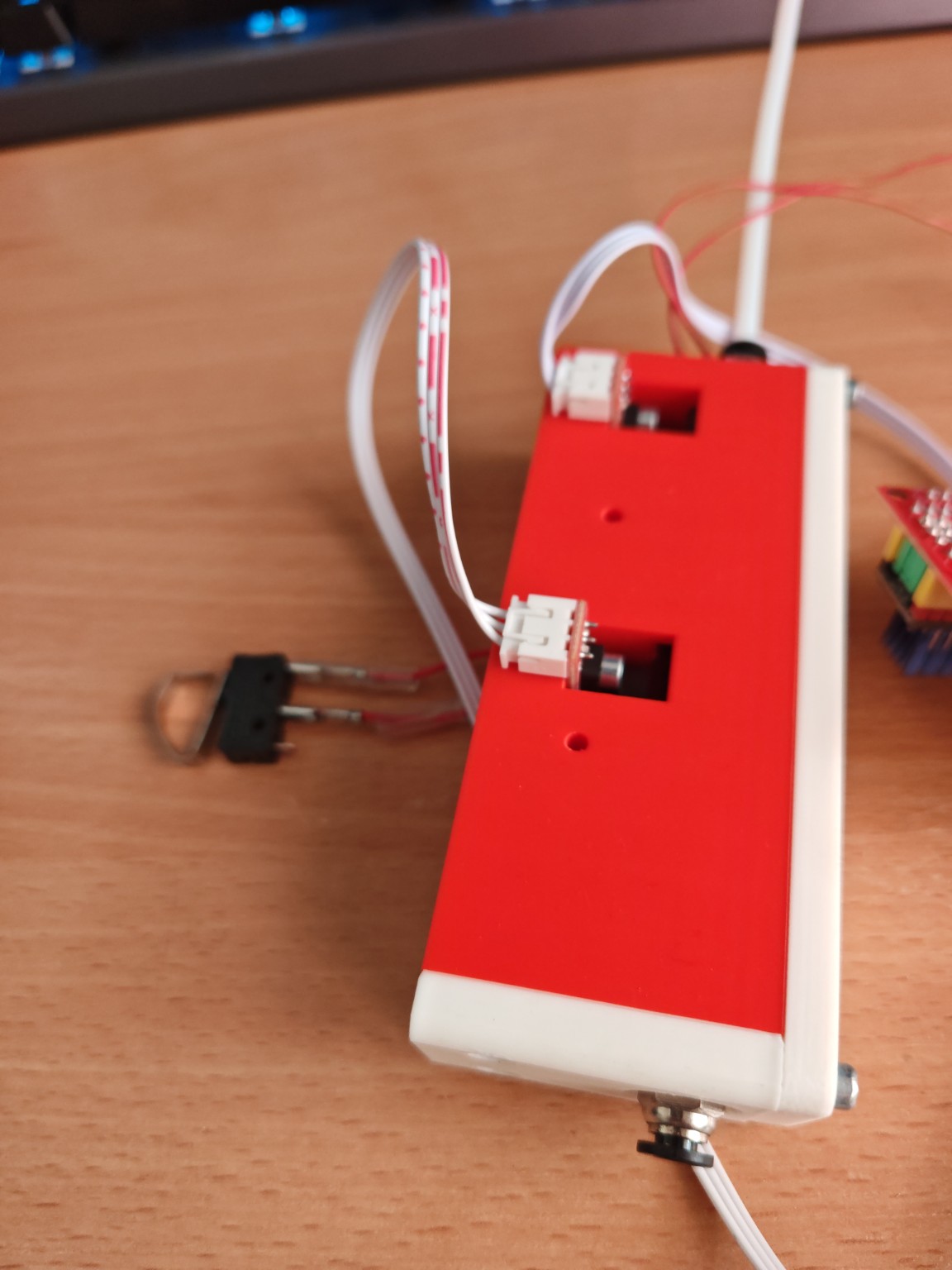
This image shows the full operating logic: the spool can stay farther away, the RFF takes over the mechanical burden of the long path, and the printer extruder receives a controlled, stable filament section.
The problem is not the filament — it is forcing the extruder to handle the entire path.
When the spool or dryer sits far from the printer, the extruder is no longer just feeding material — it must also overcome friction, bends, and rolling resistance. That is exactly the kind of load most lightweight printhead extruders were never optimized to handle.
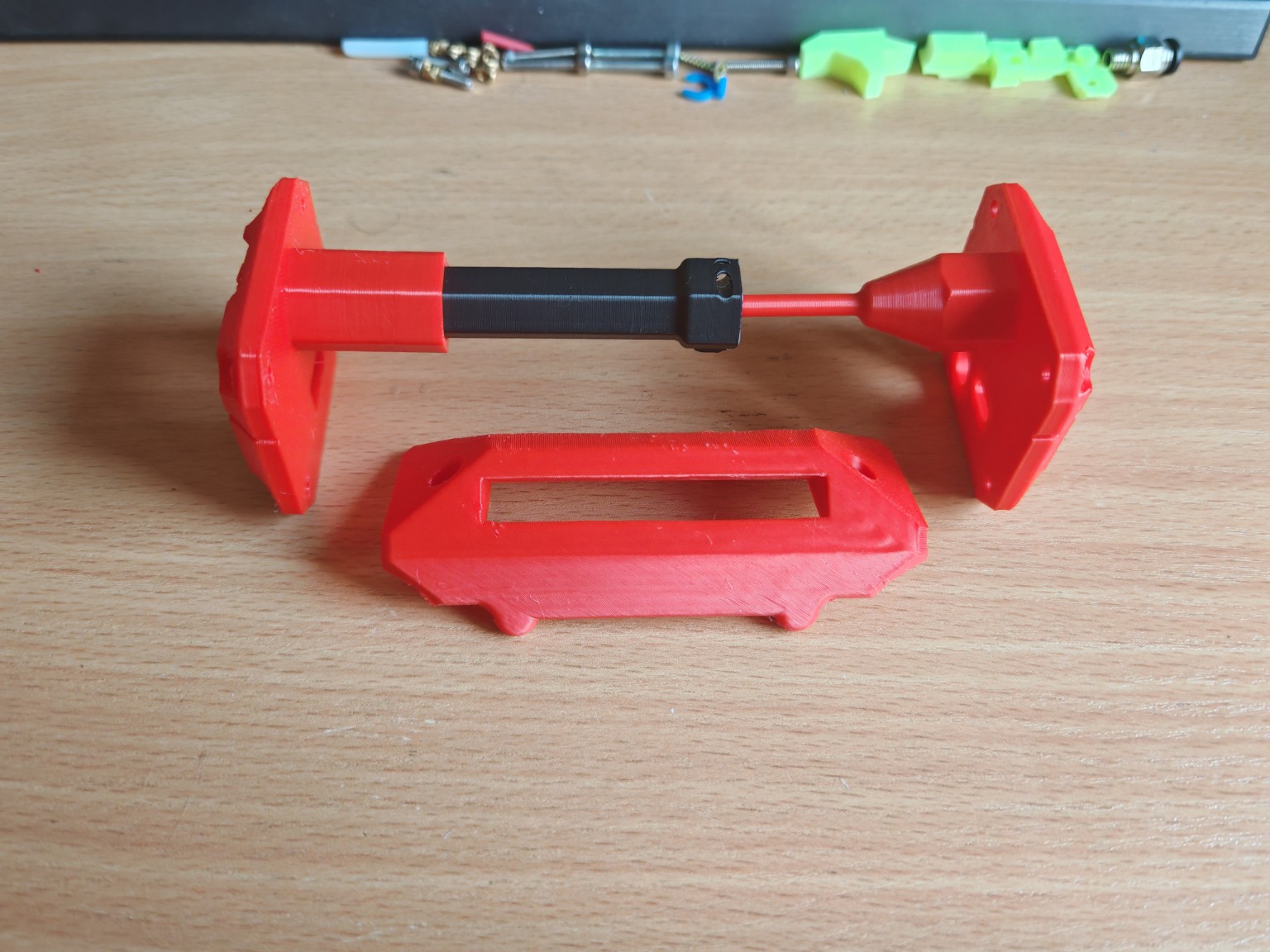
1The spool is no longer near the machine
When filament comes from a dryer, remote holder, or enclosed cabinet, a long loss-heavy section is already created before it even reaches the printer.
2The extruder is not only feeding — it is fighting
Lightweight direct drive and Bowden systems were built primarily for precise material delivery, not for handling the full resistance of several meters of path on their own.
3The failure is not always immediate — just expensive
The issue often shows up hours later: unstable retracts, ground filament, unreliable pull-in, under-extruded layers, or a completely failed print.
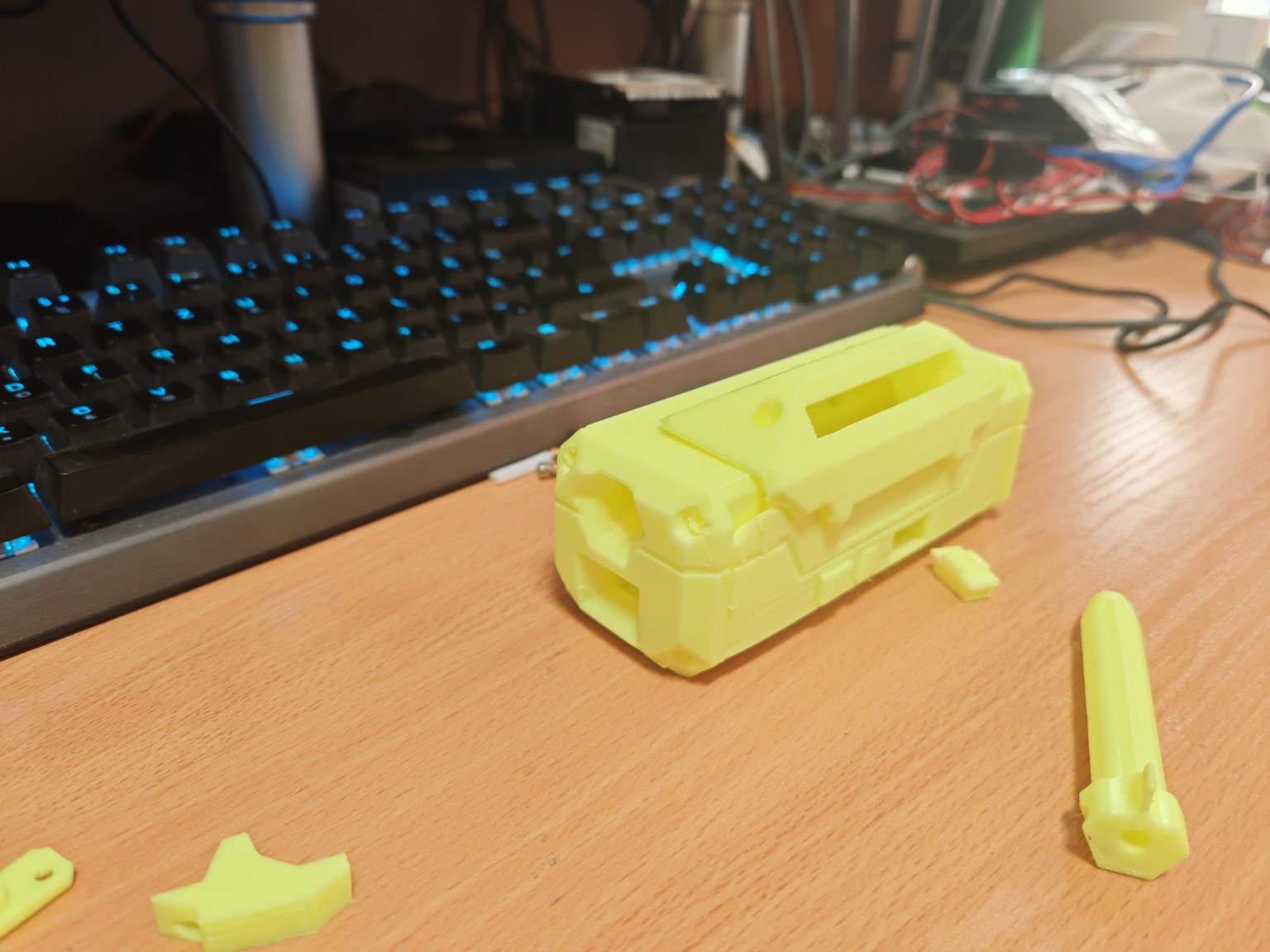
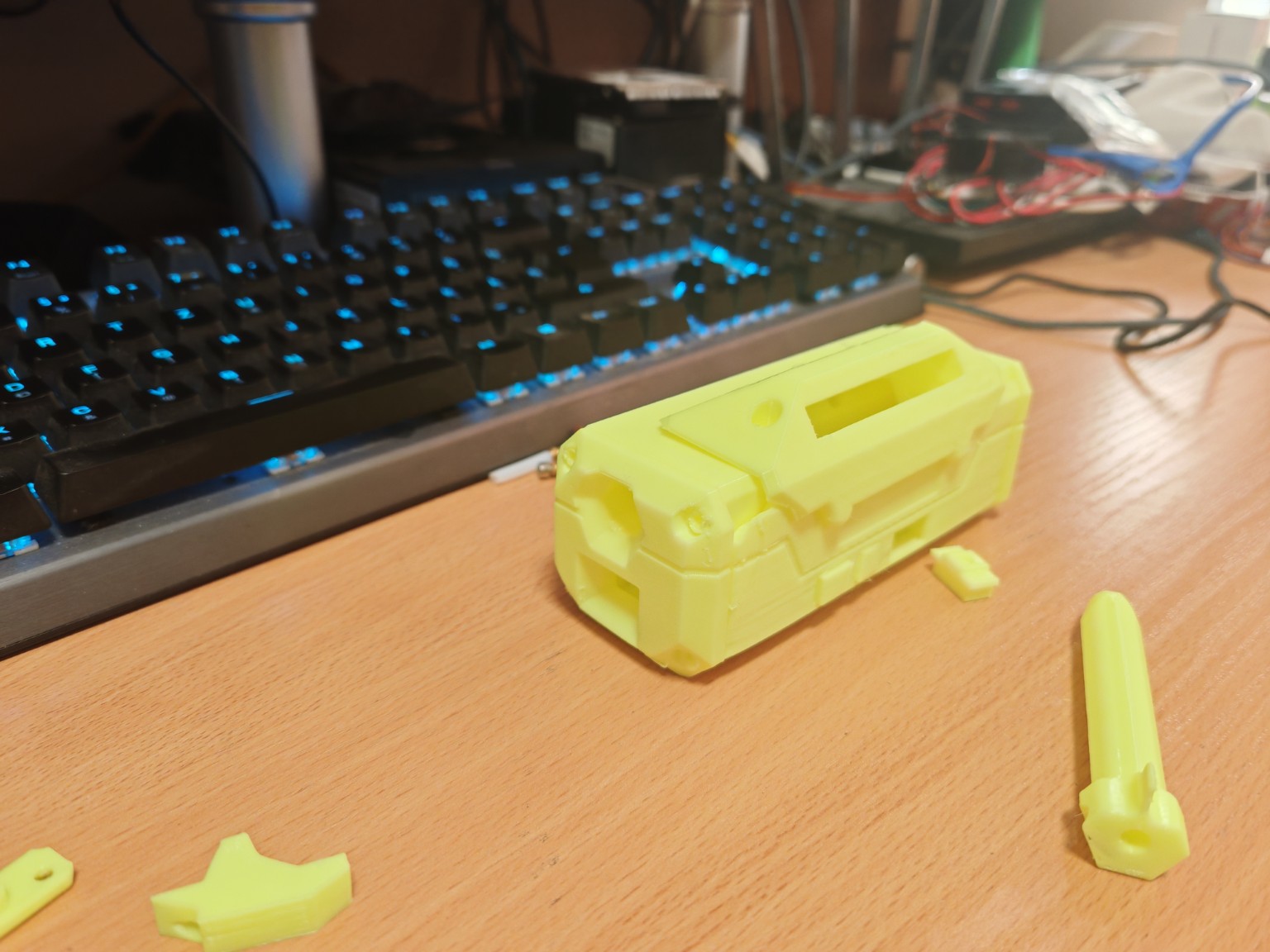
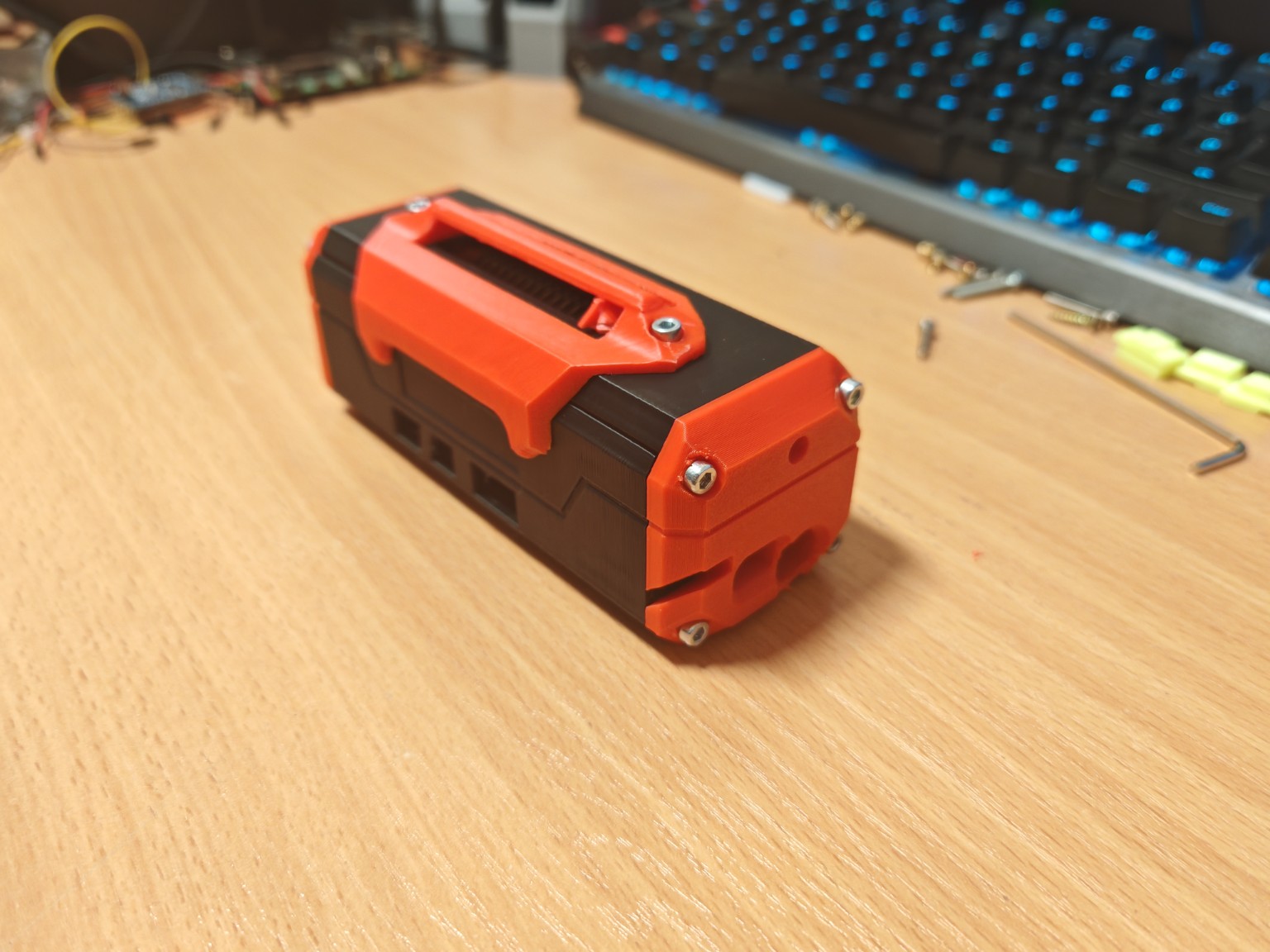
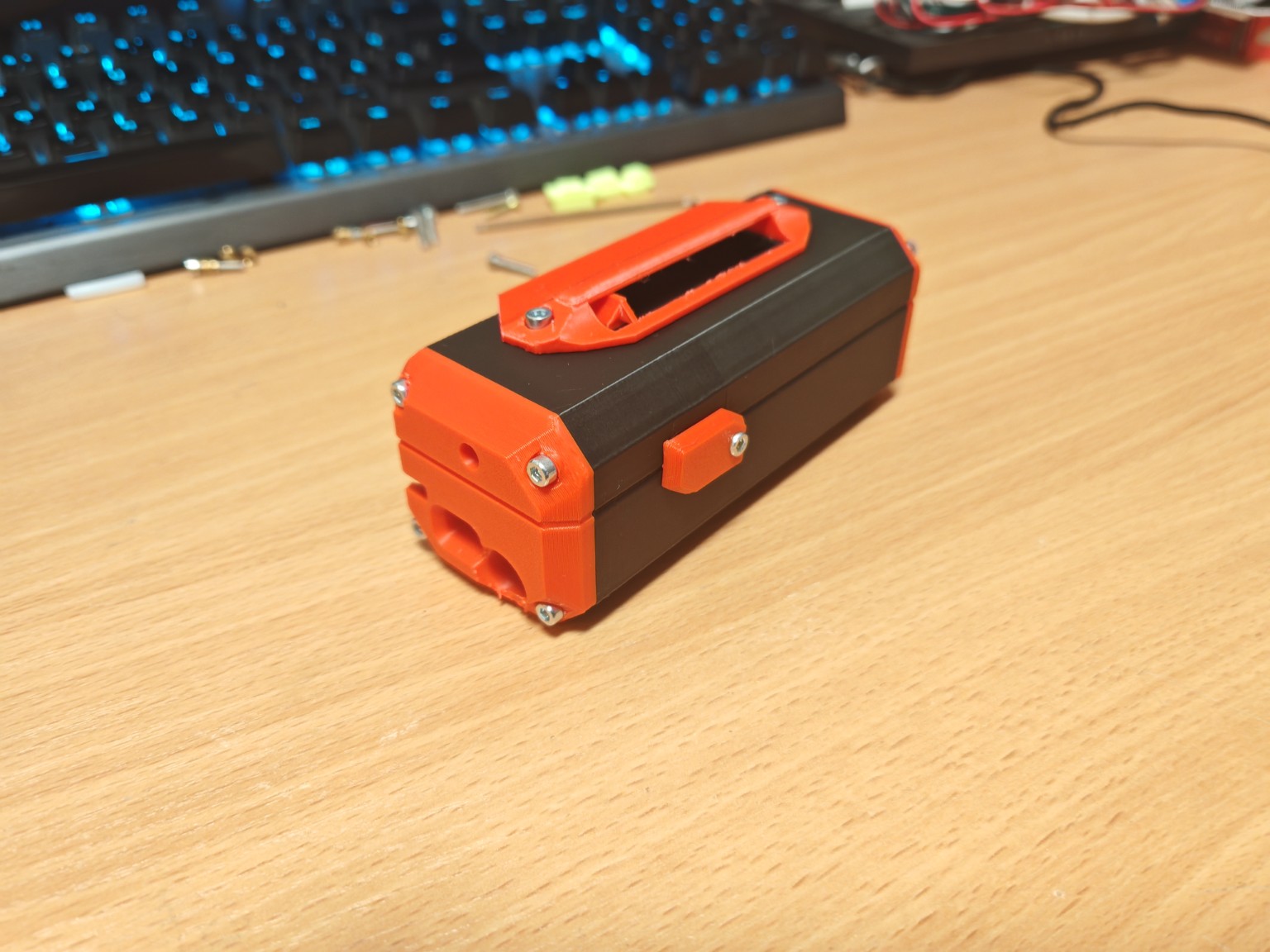
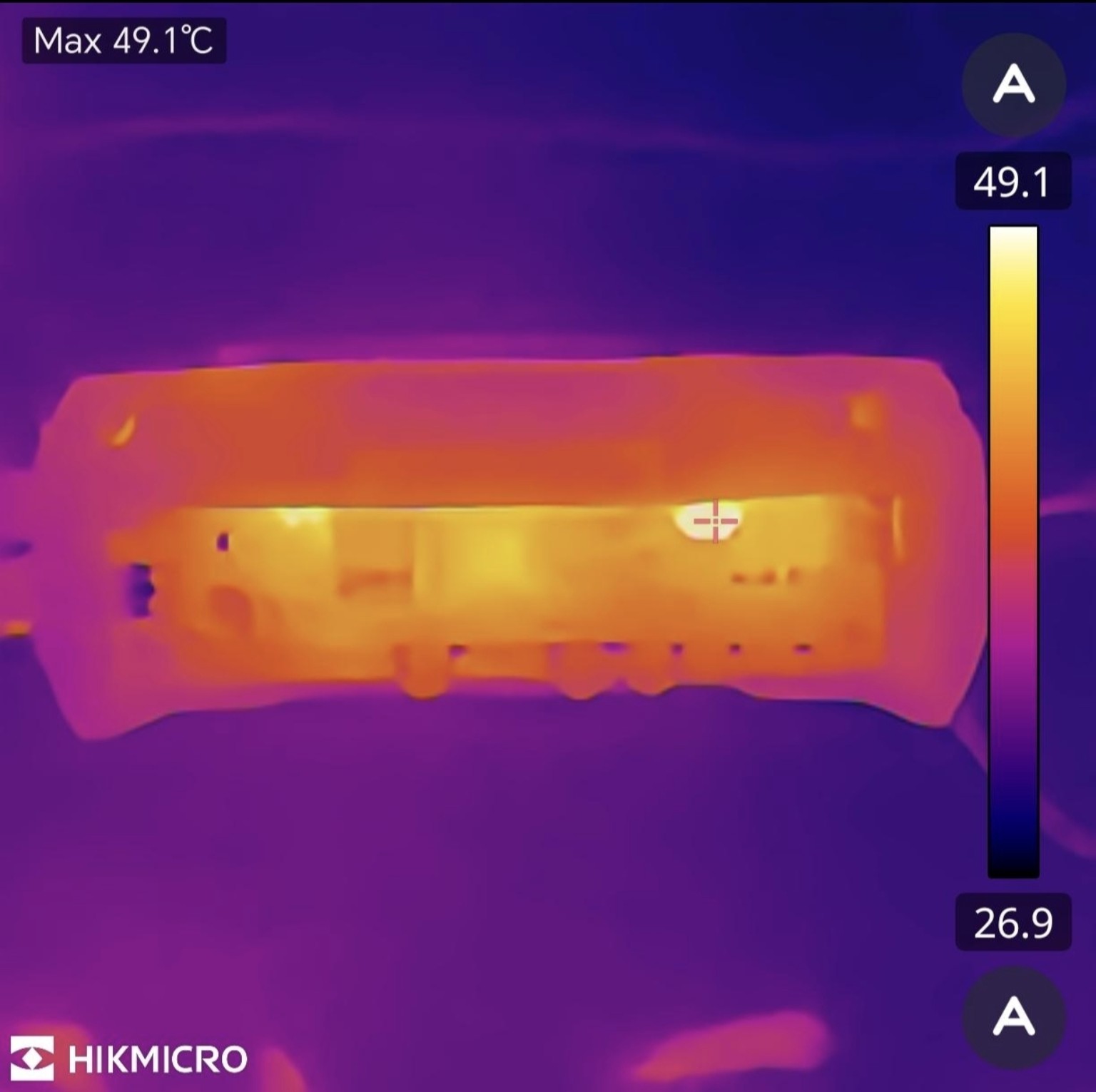
Current prototype
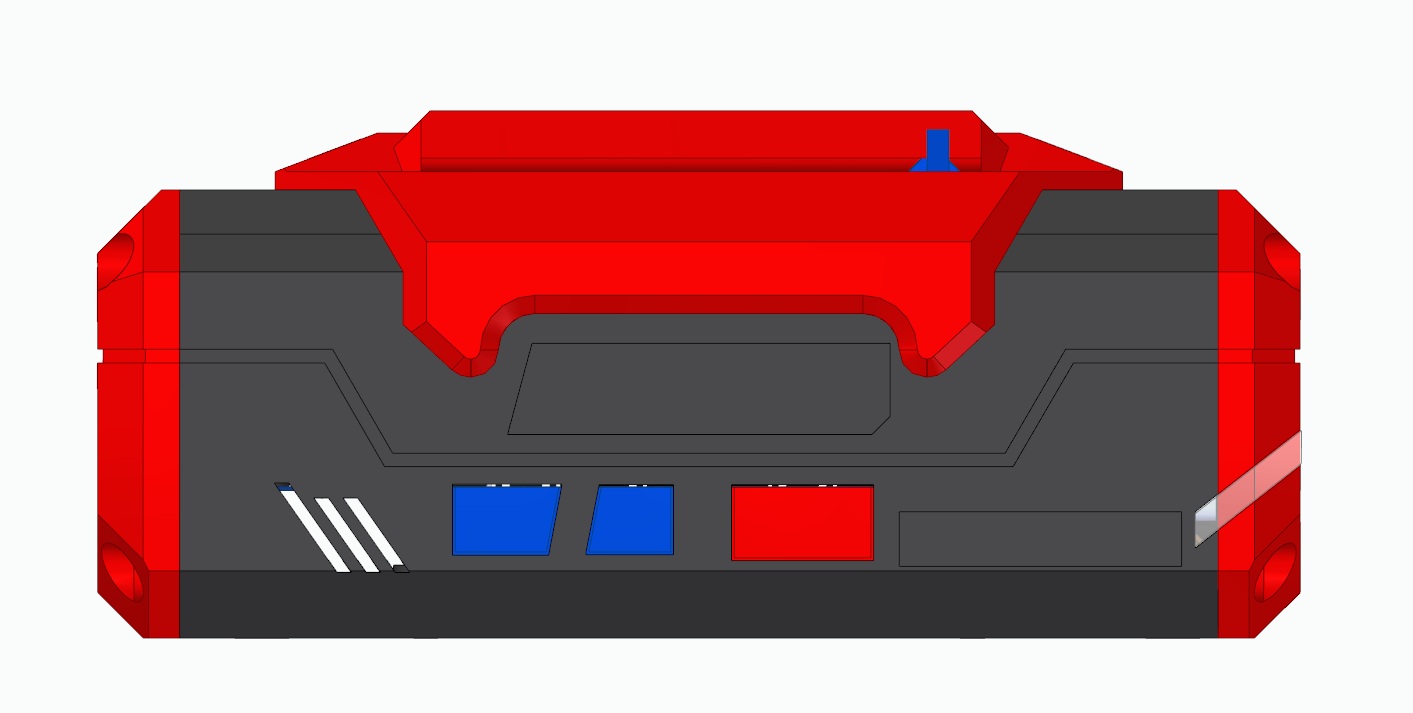
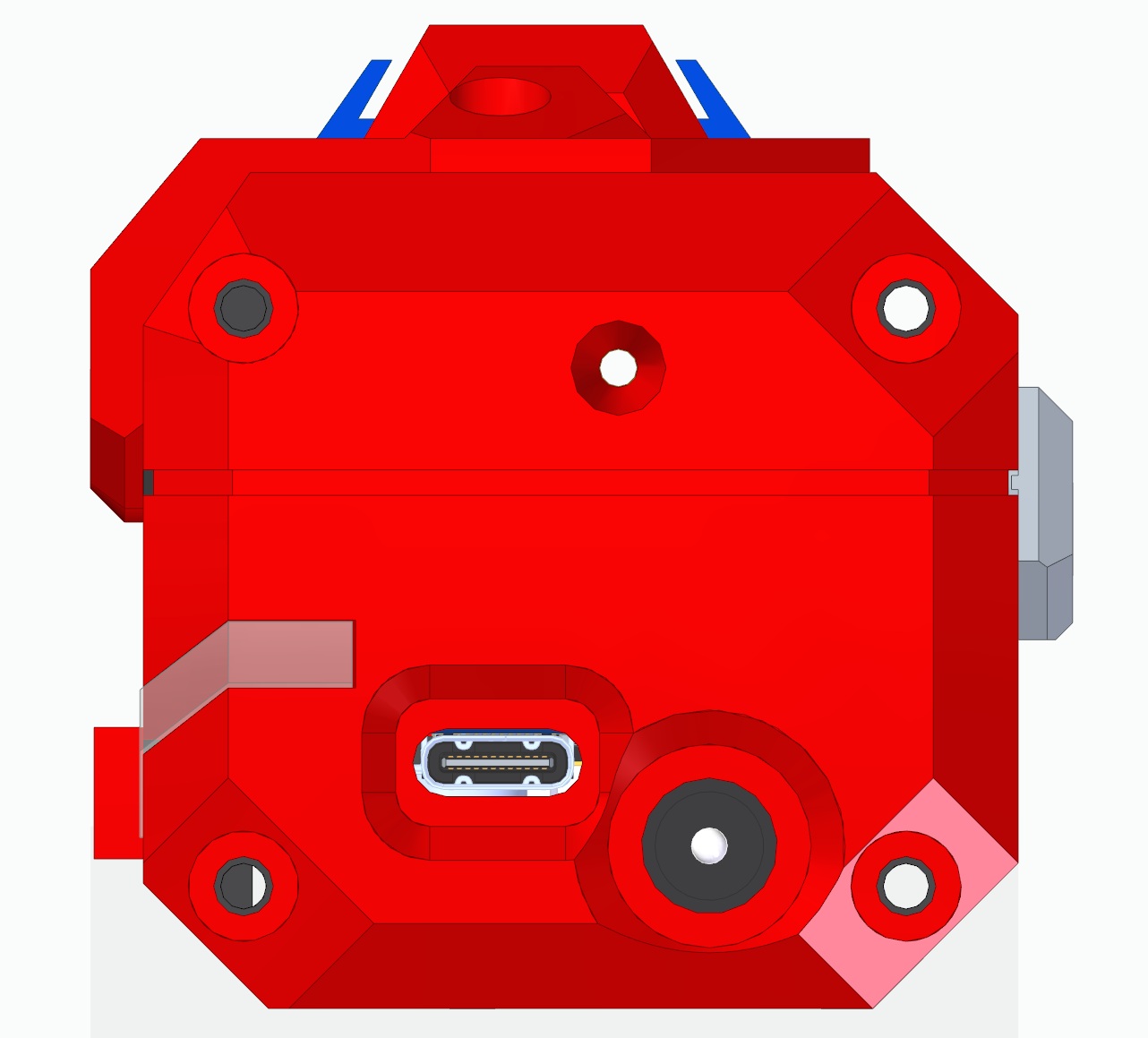
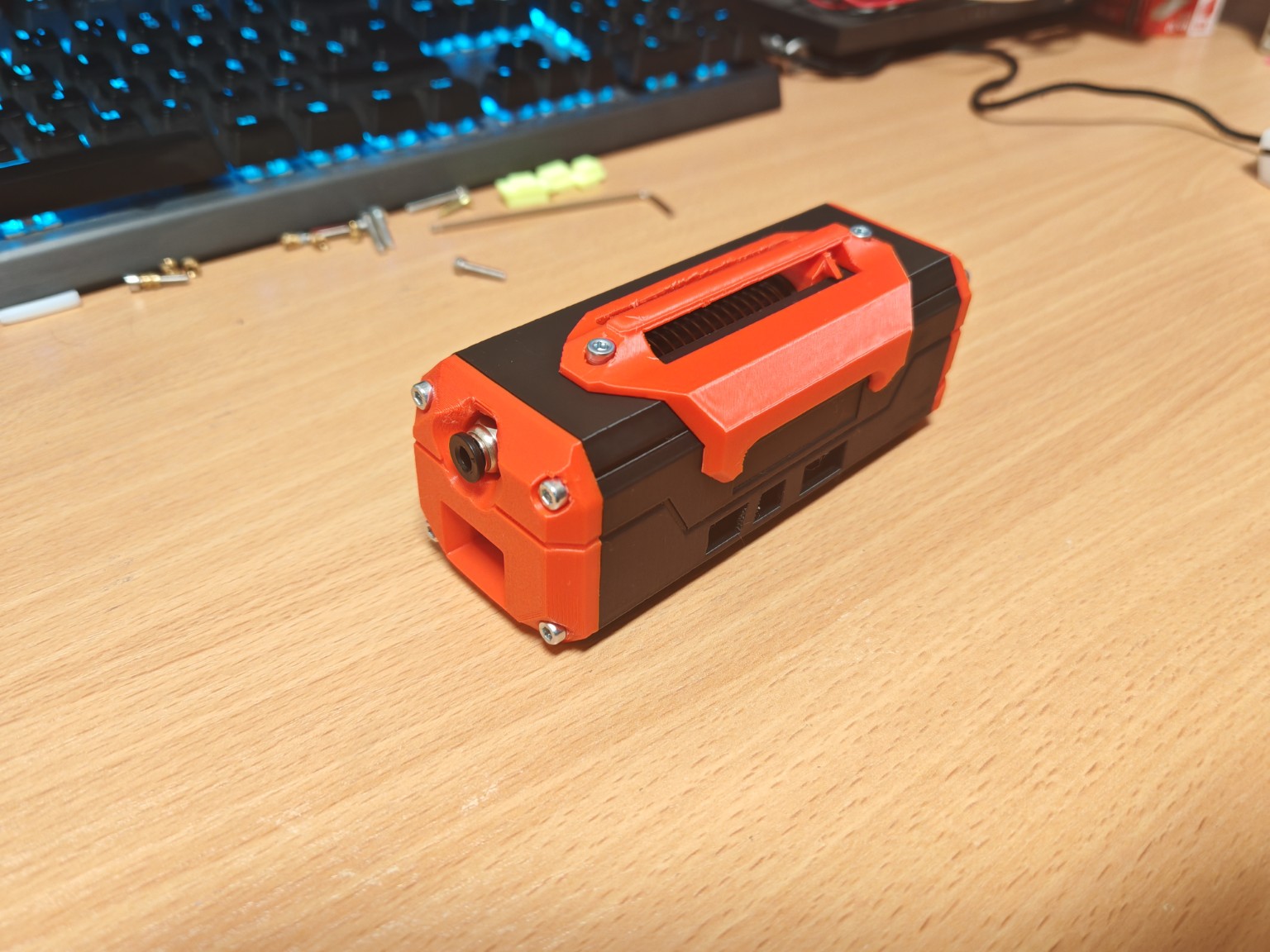
Development details
Gallery